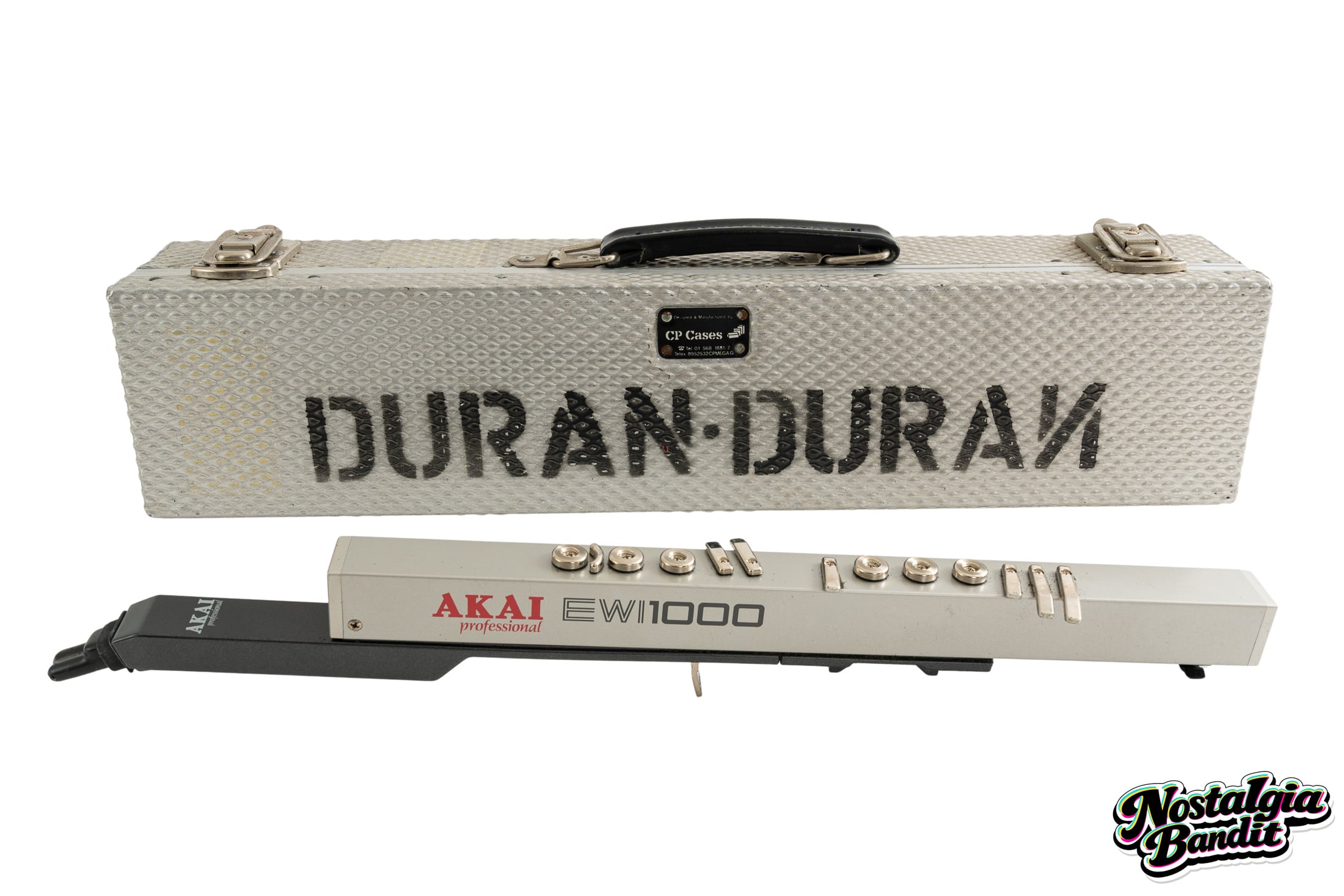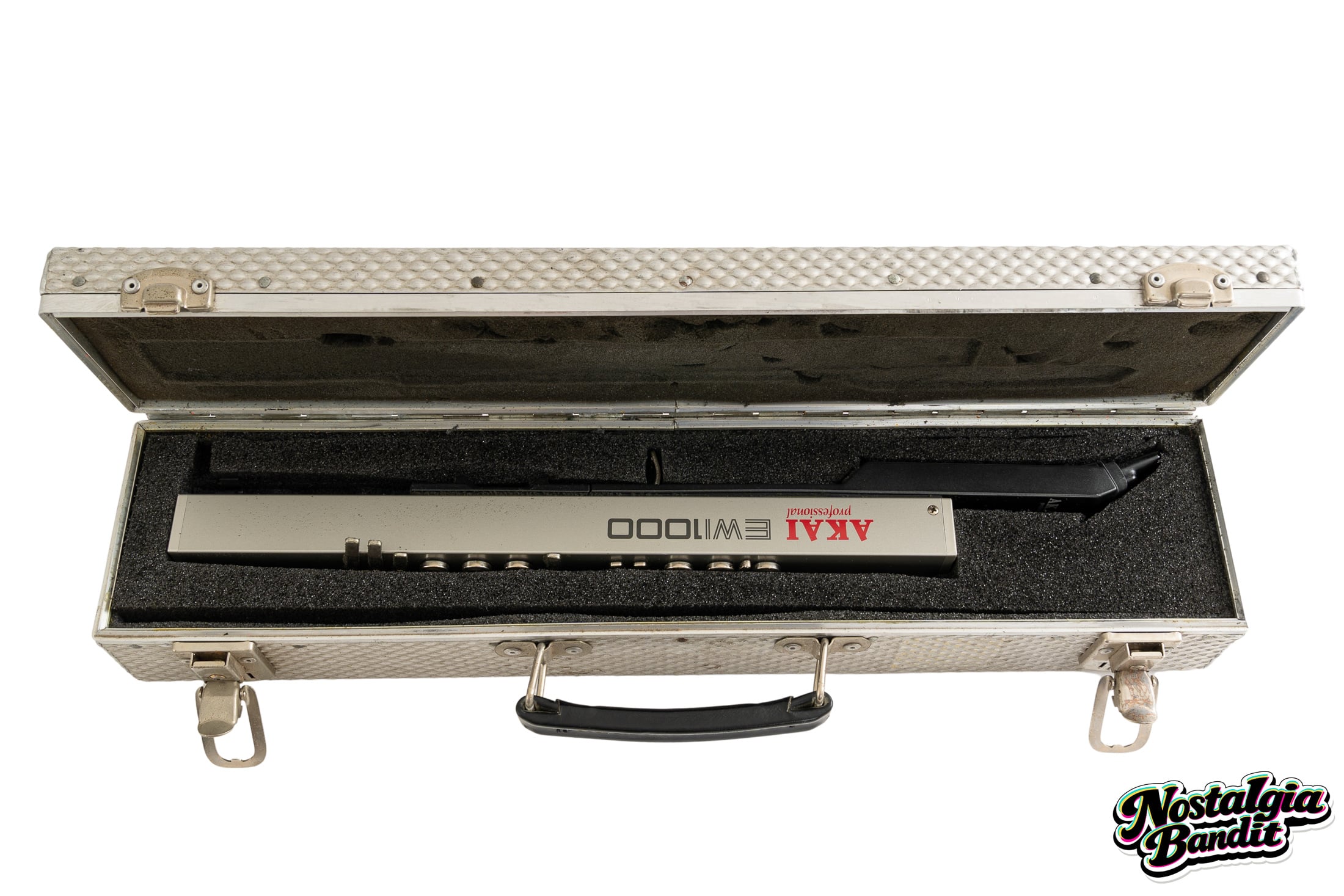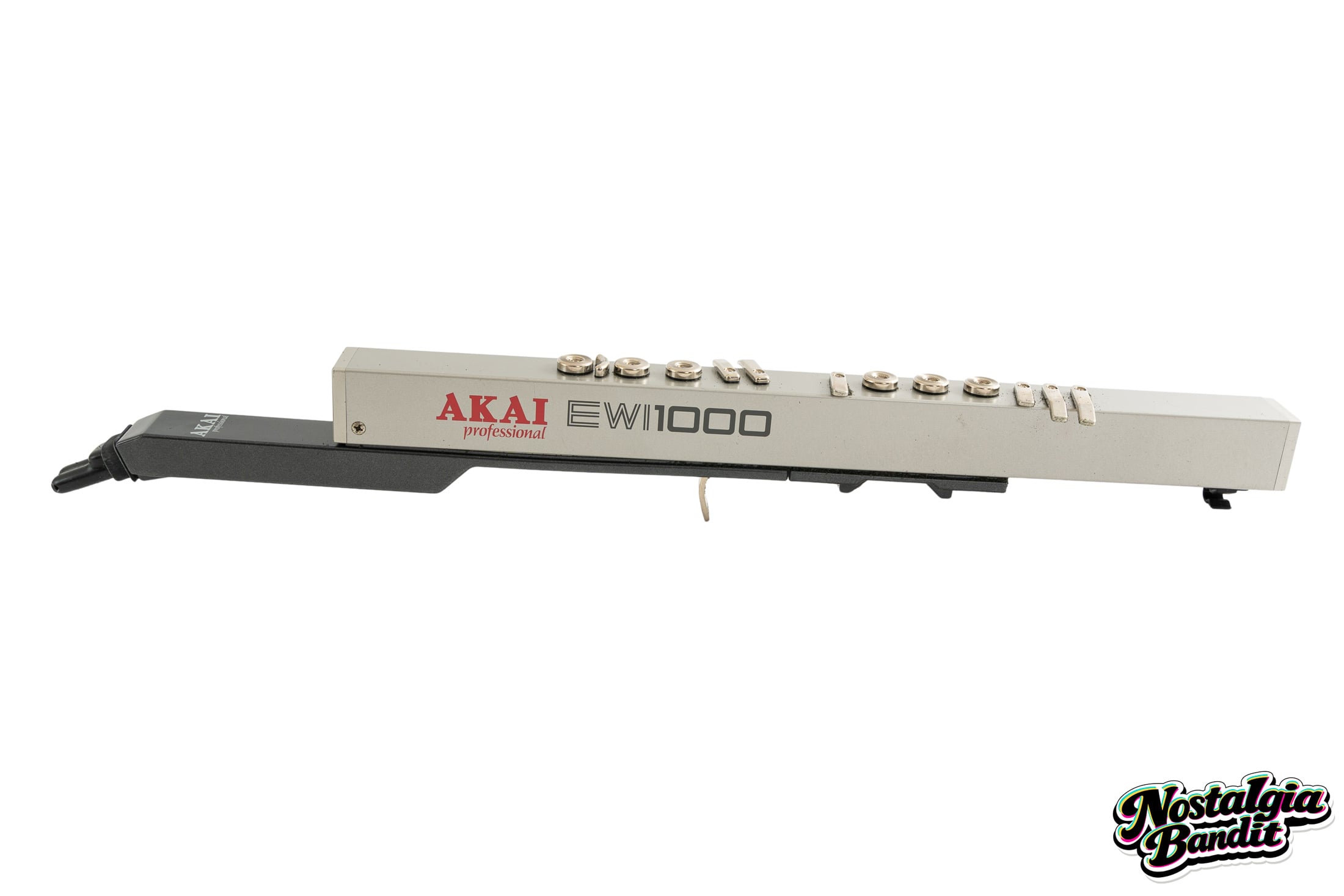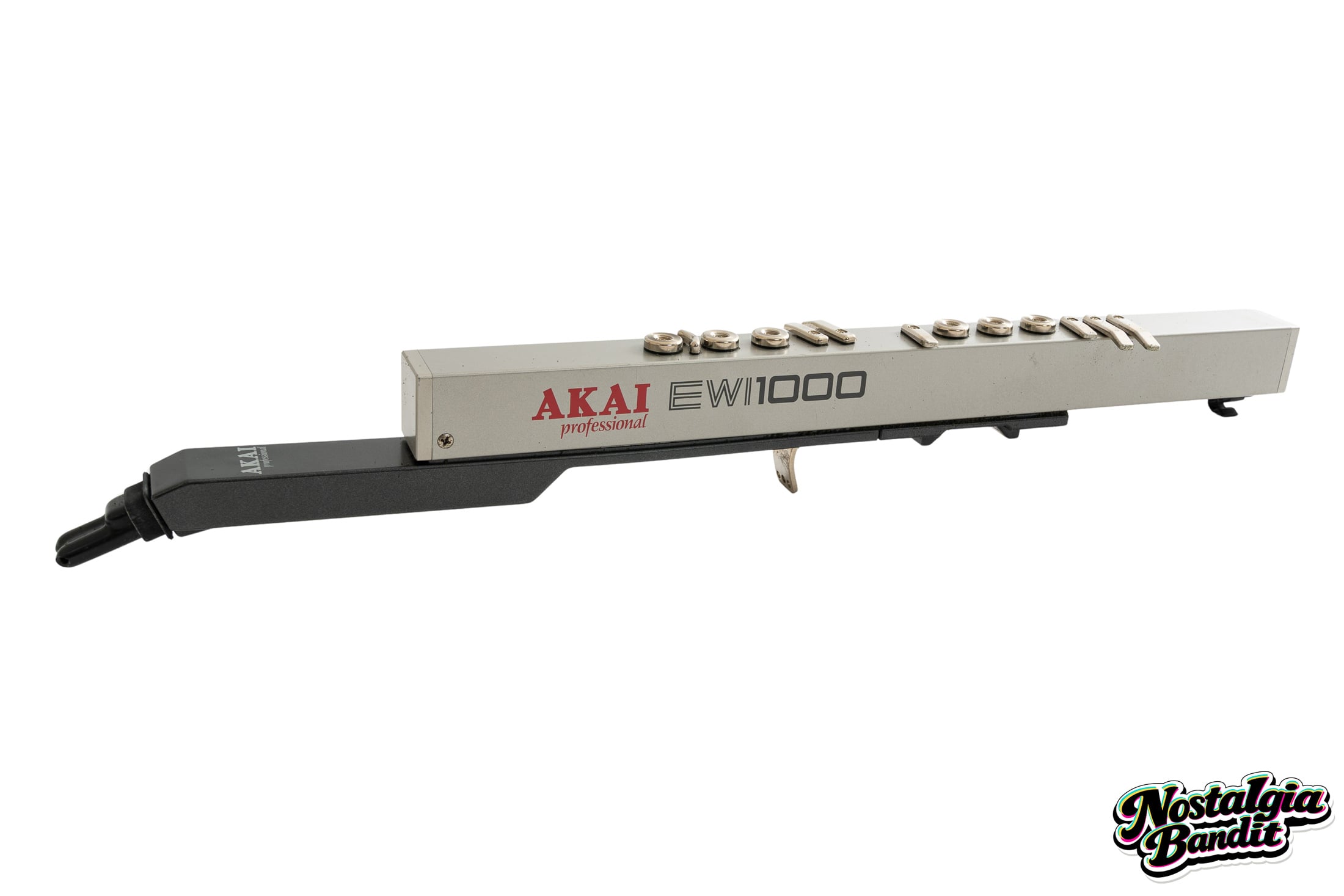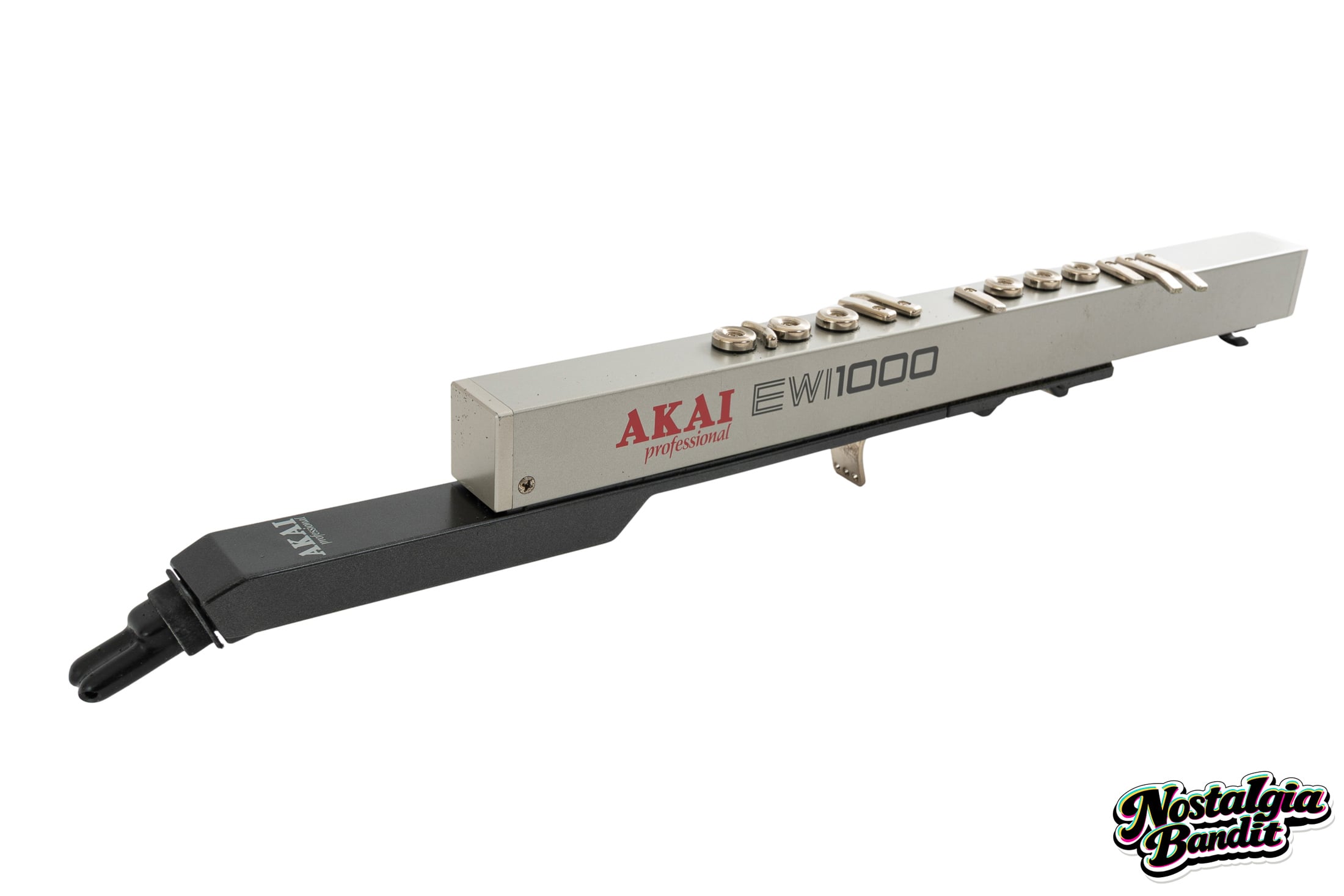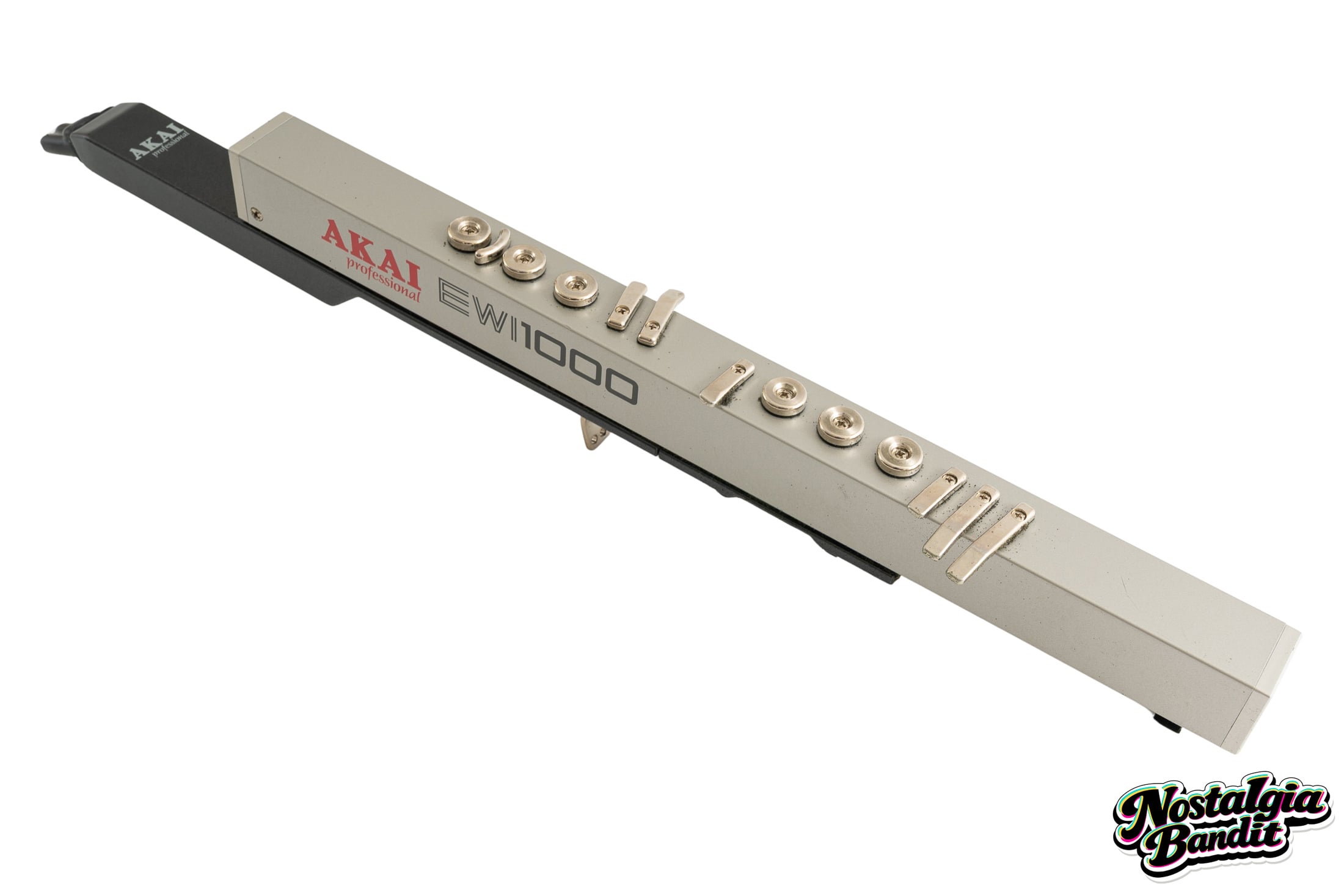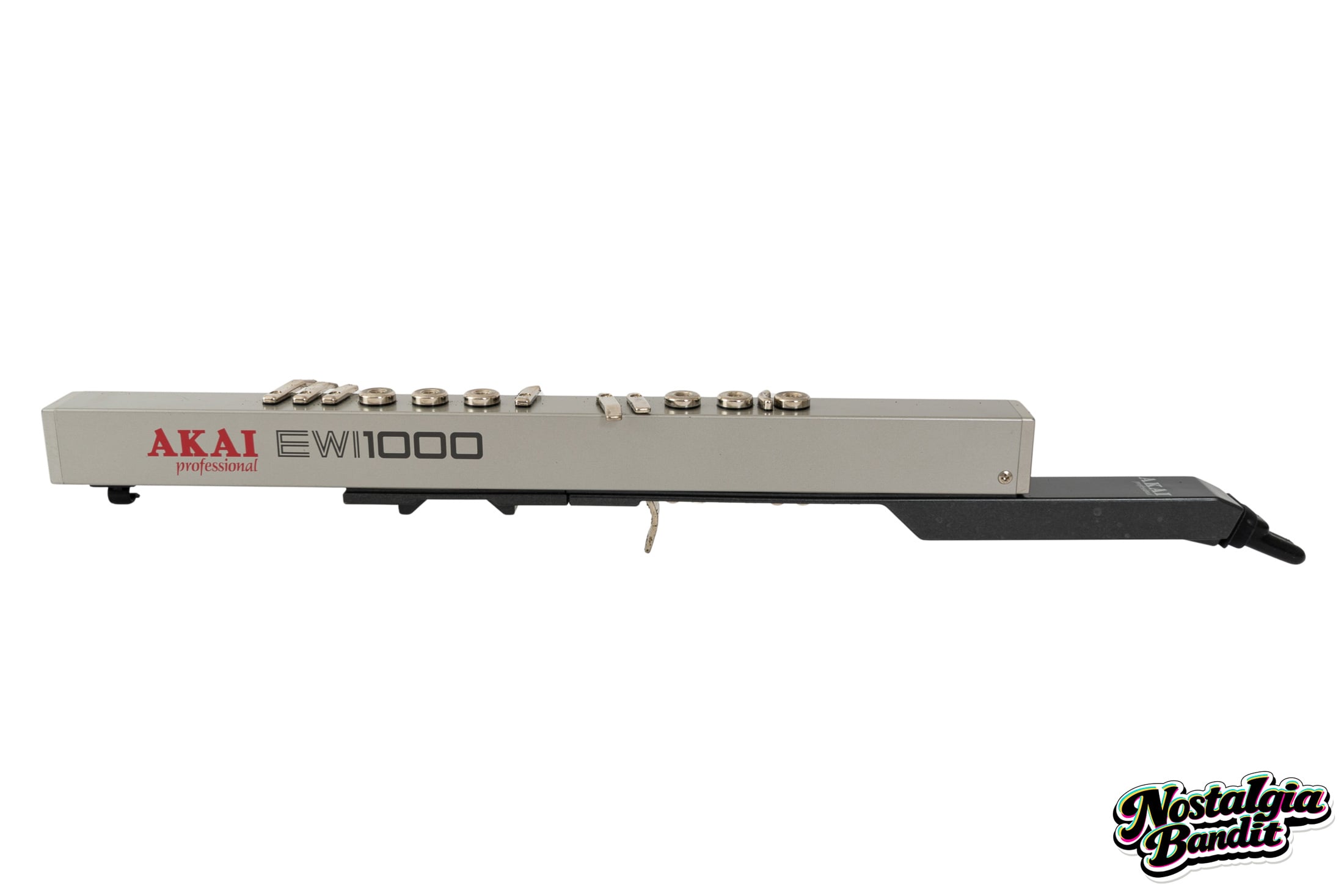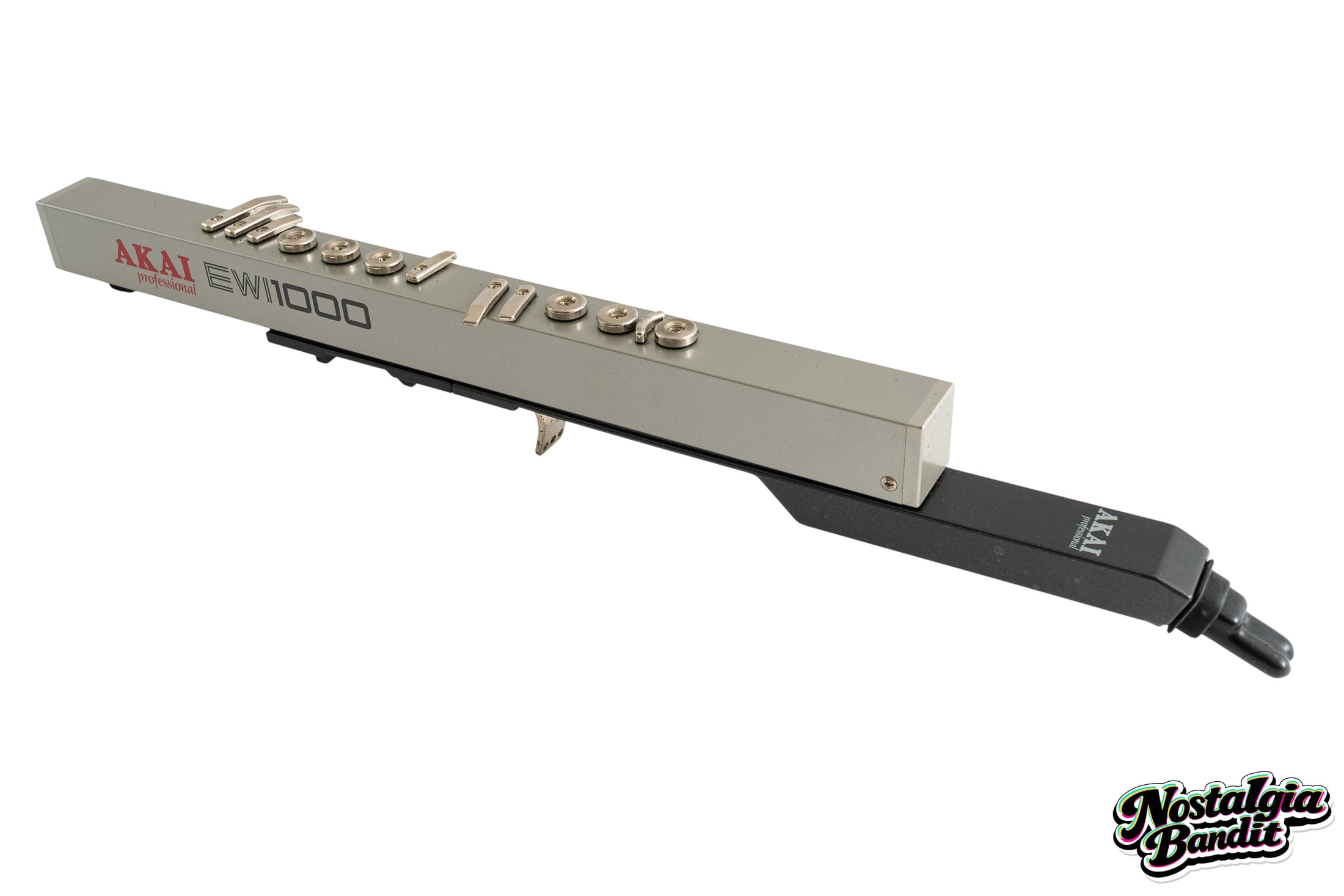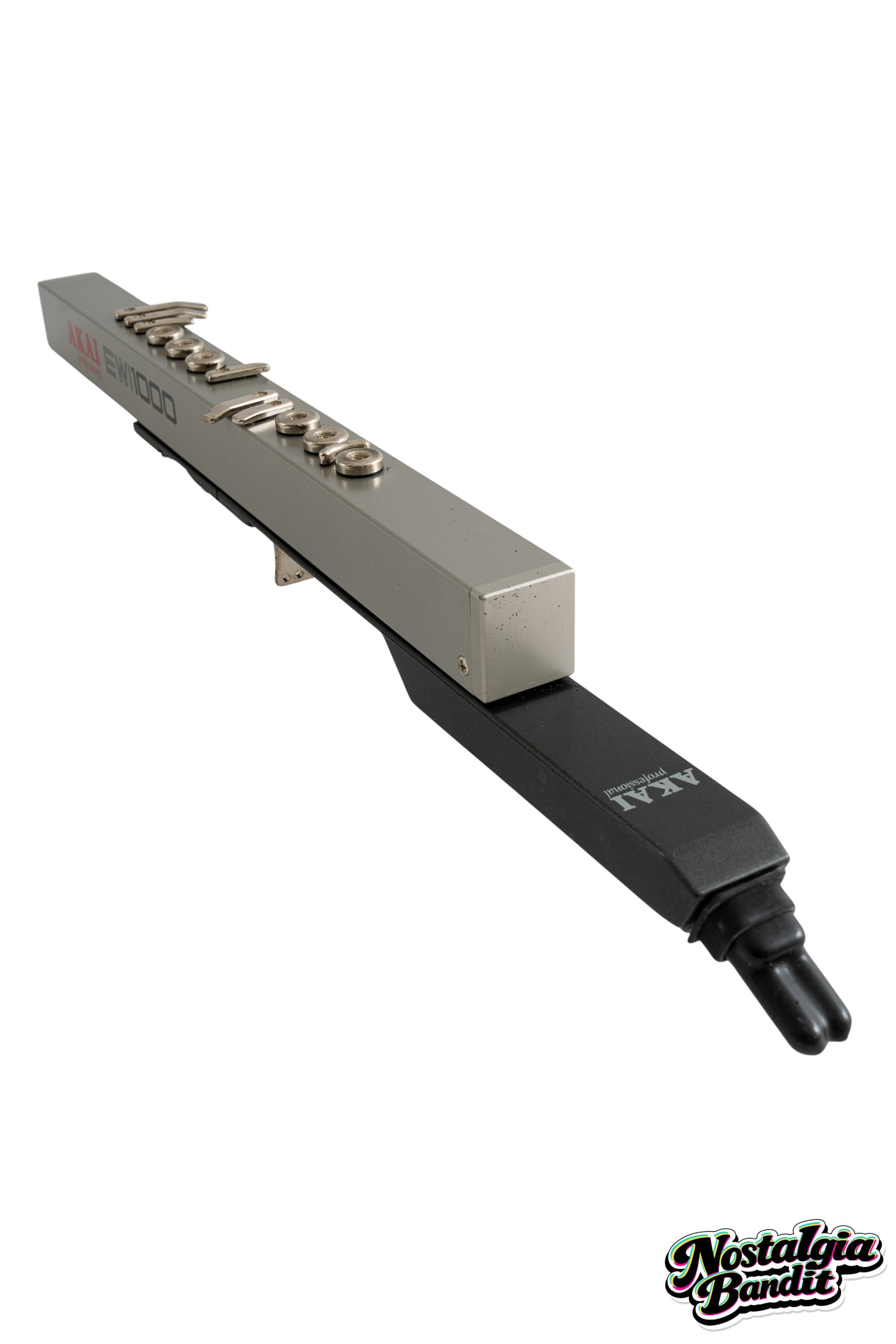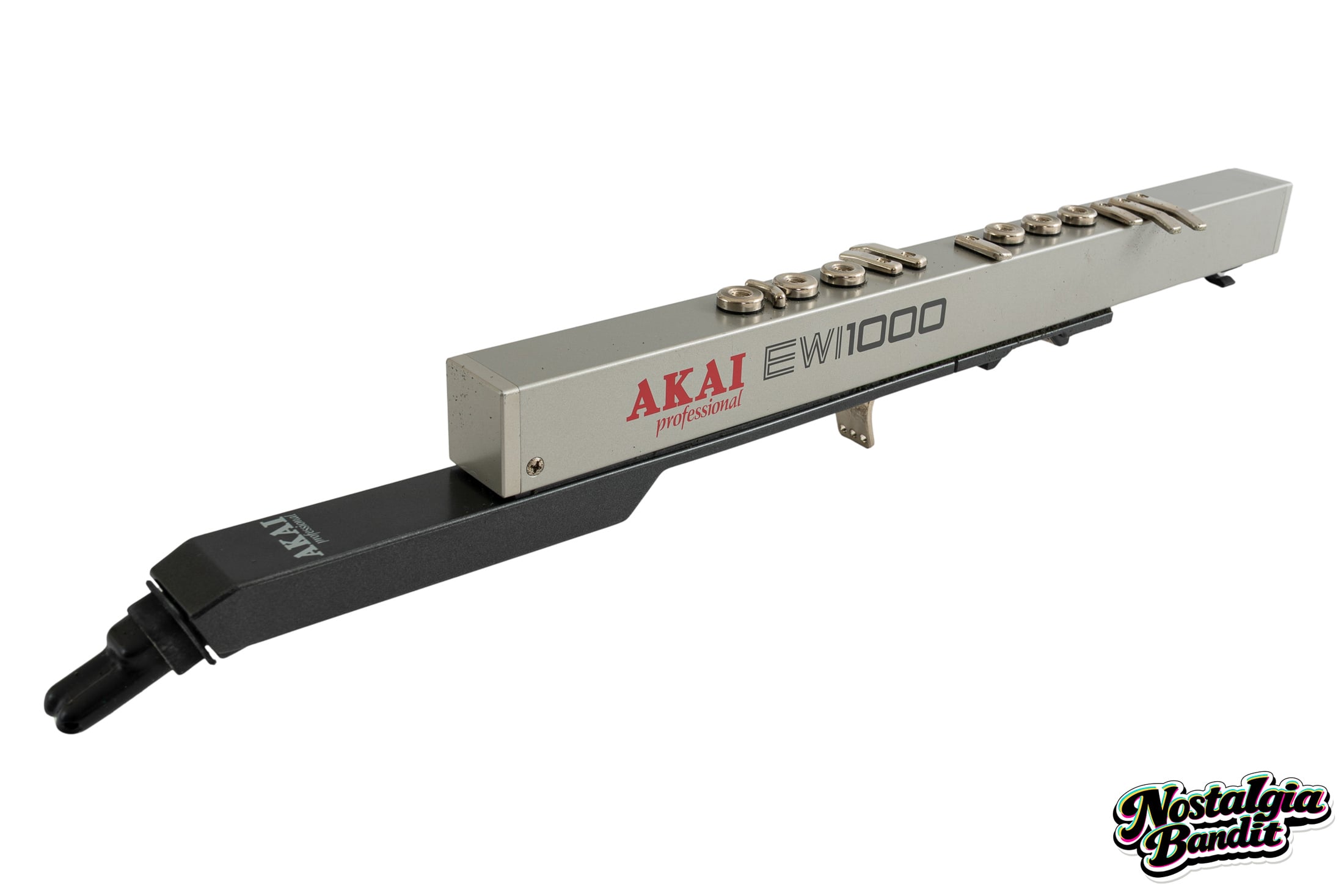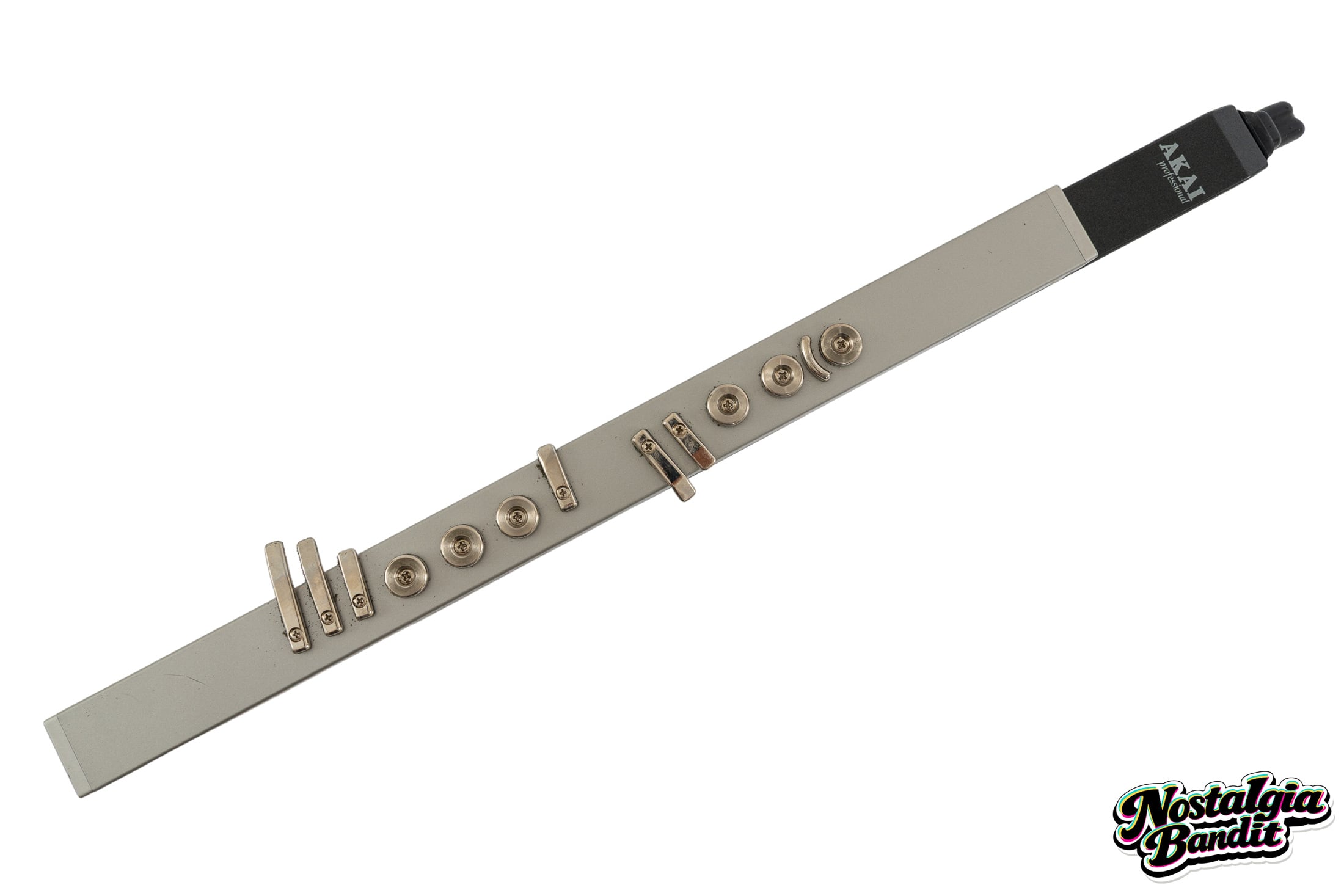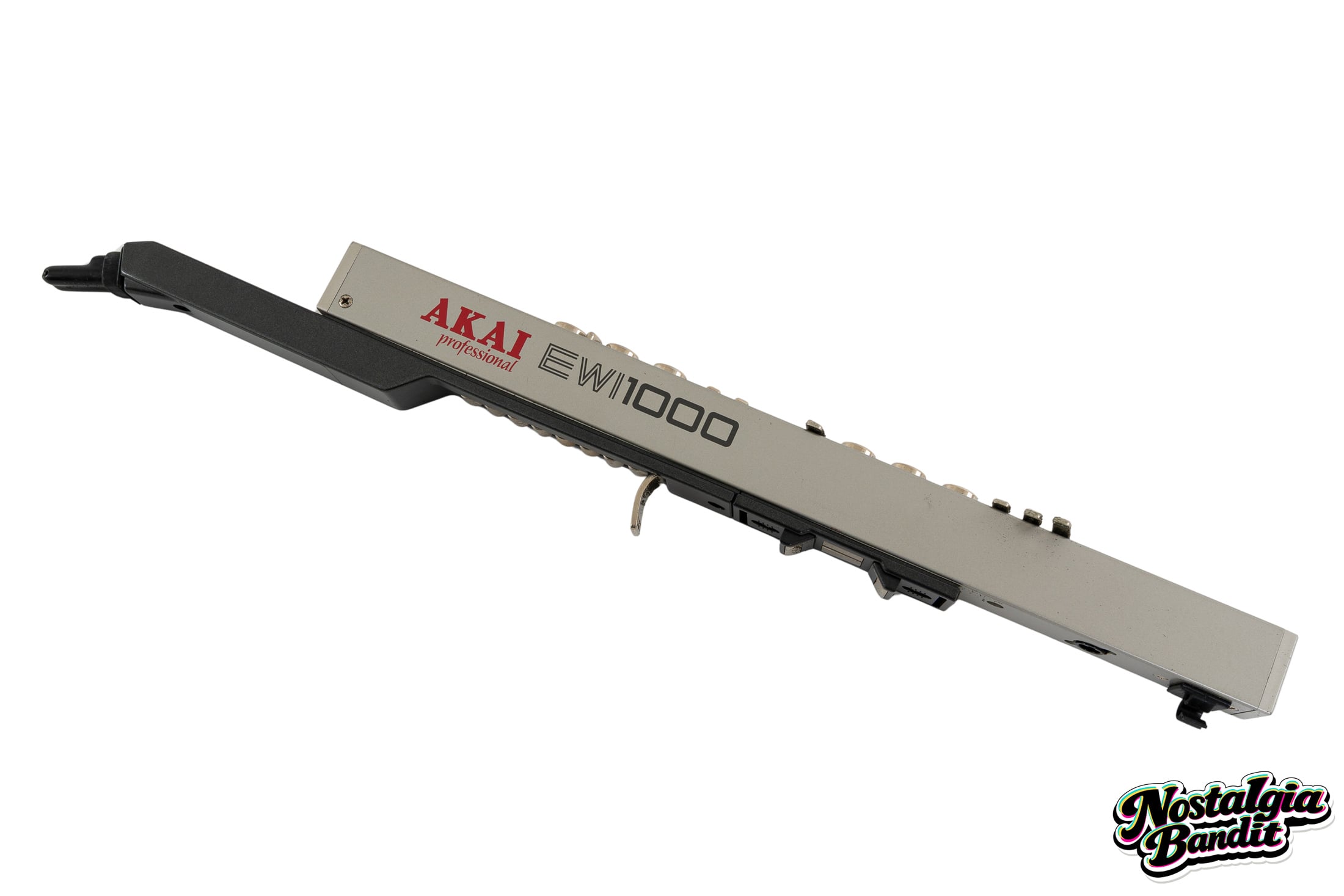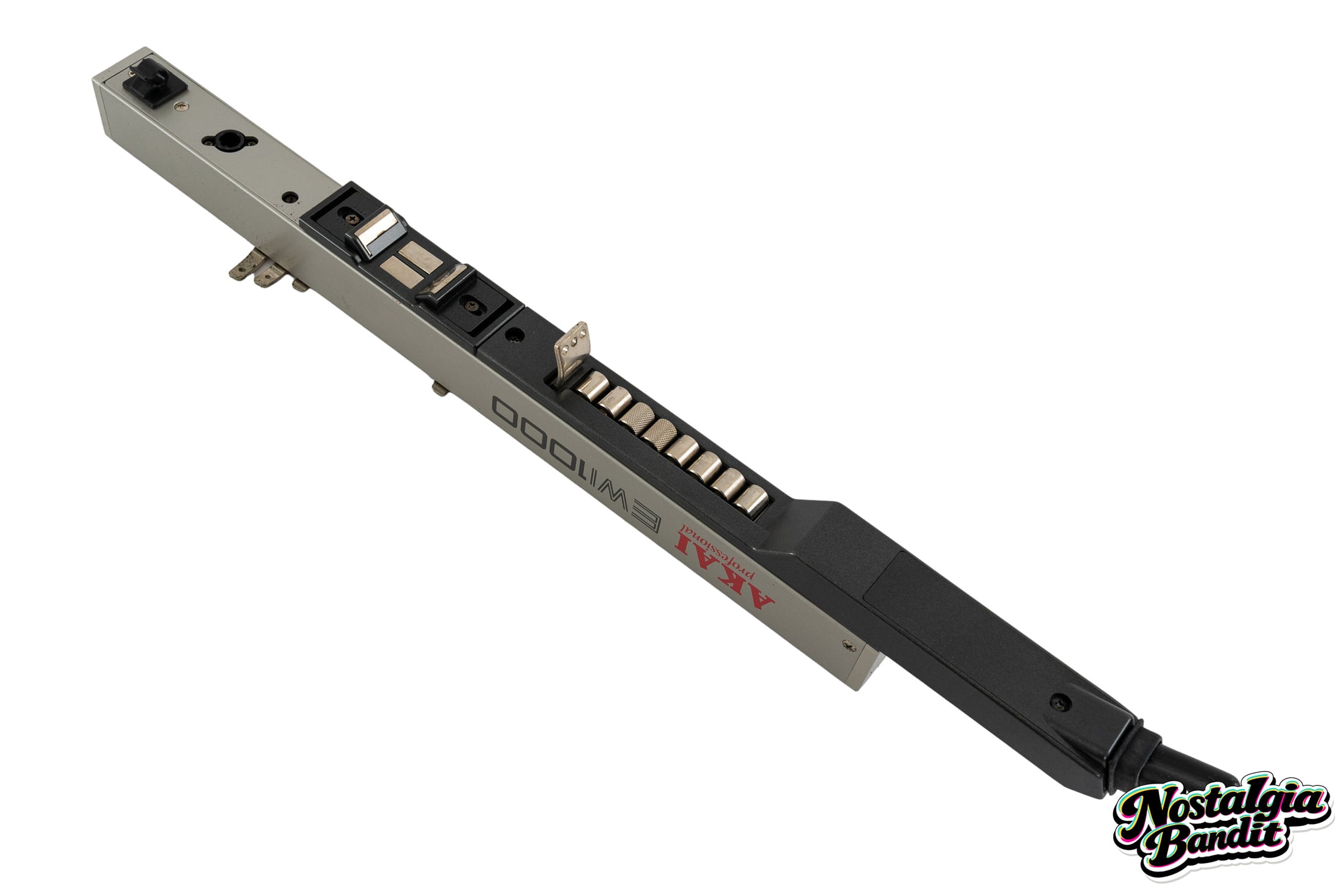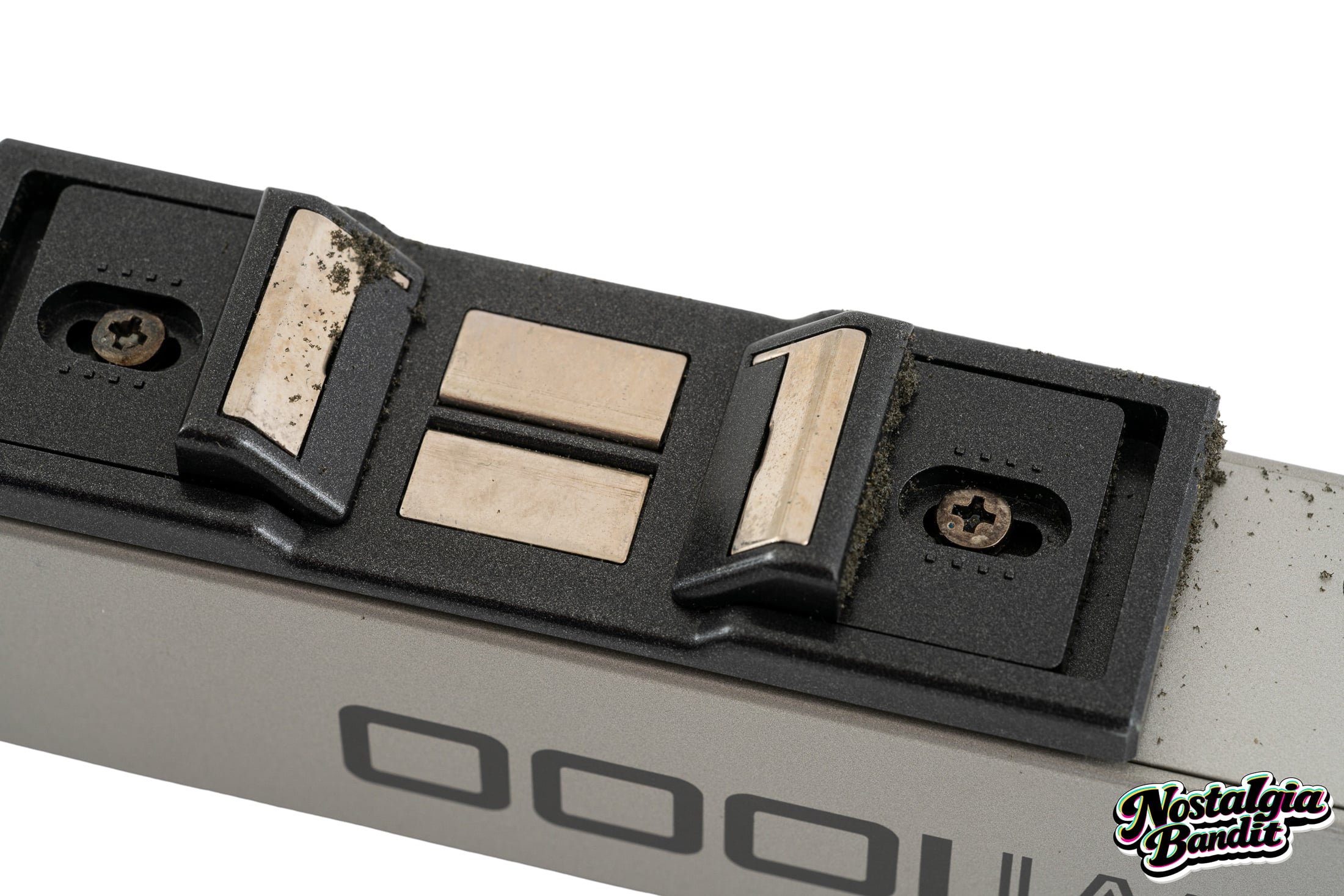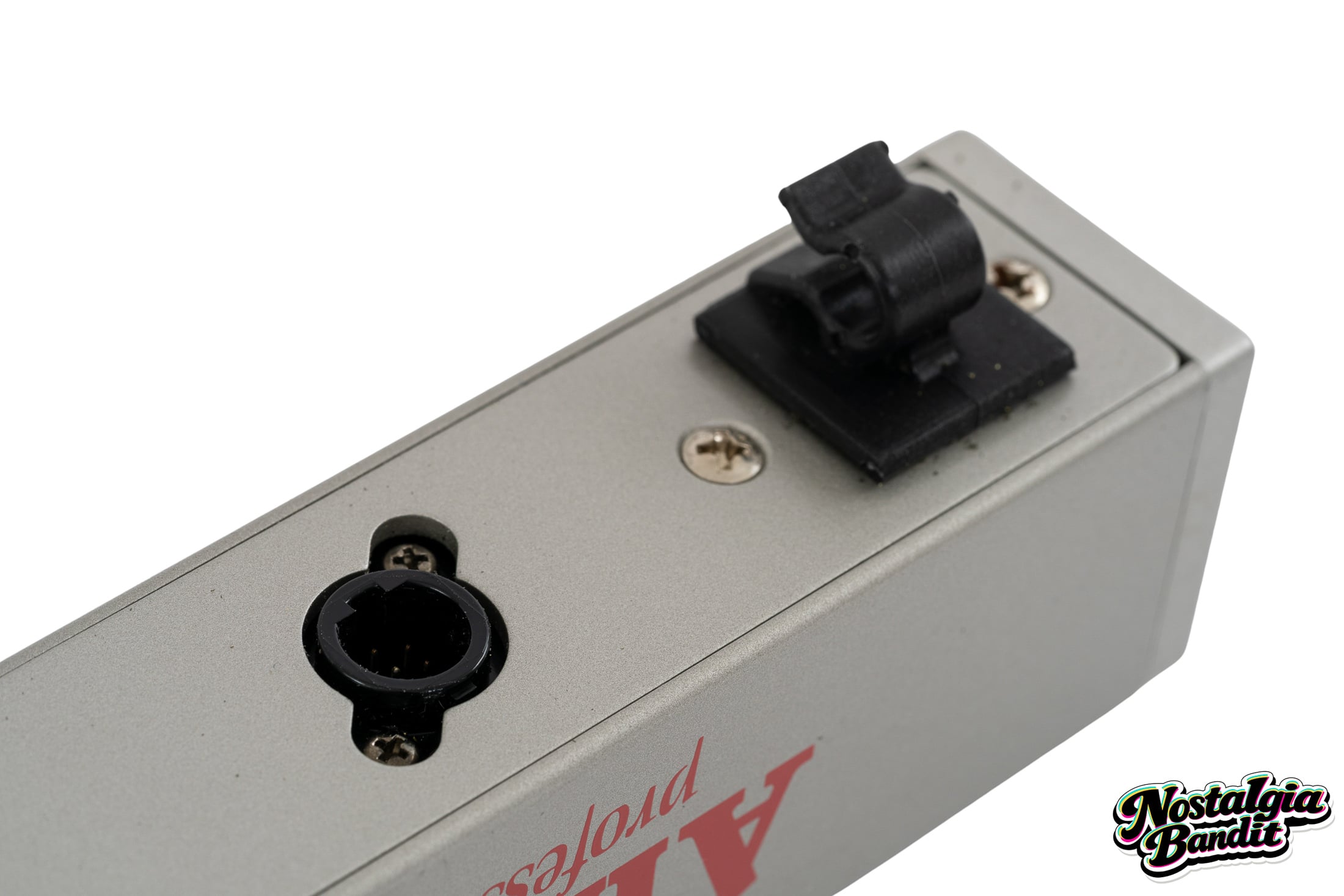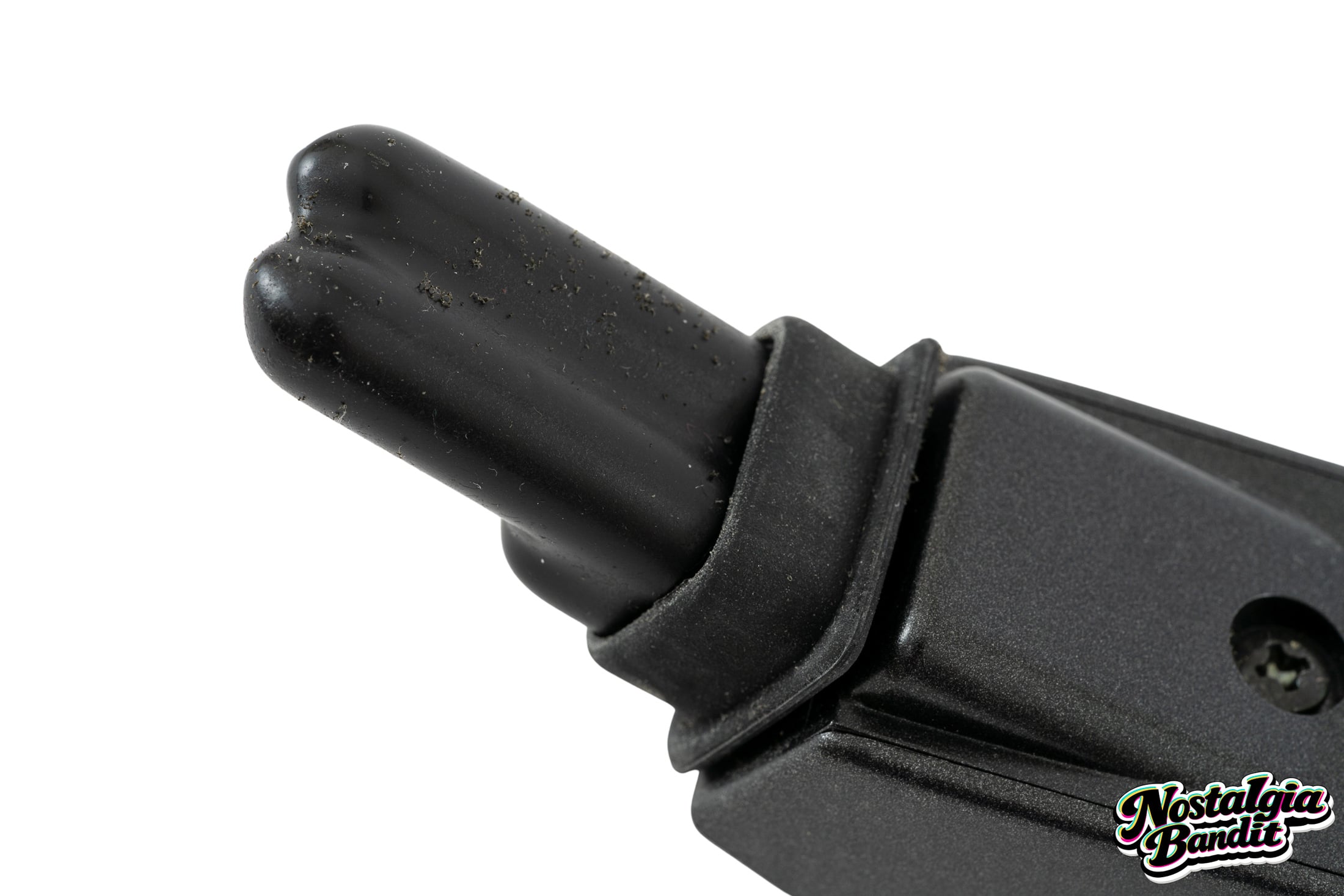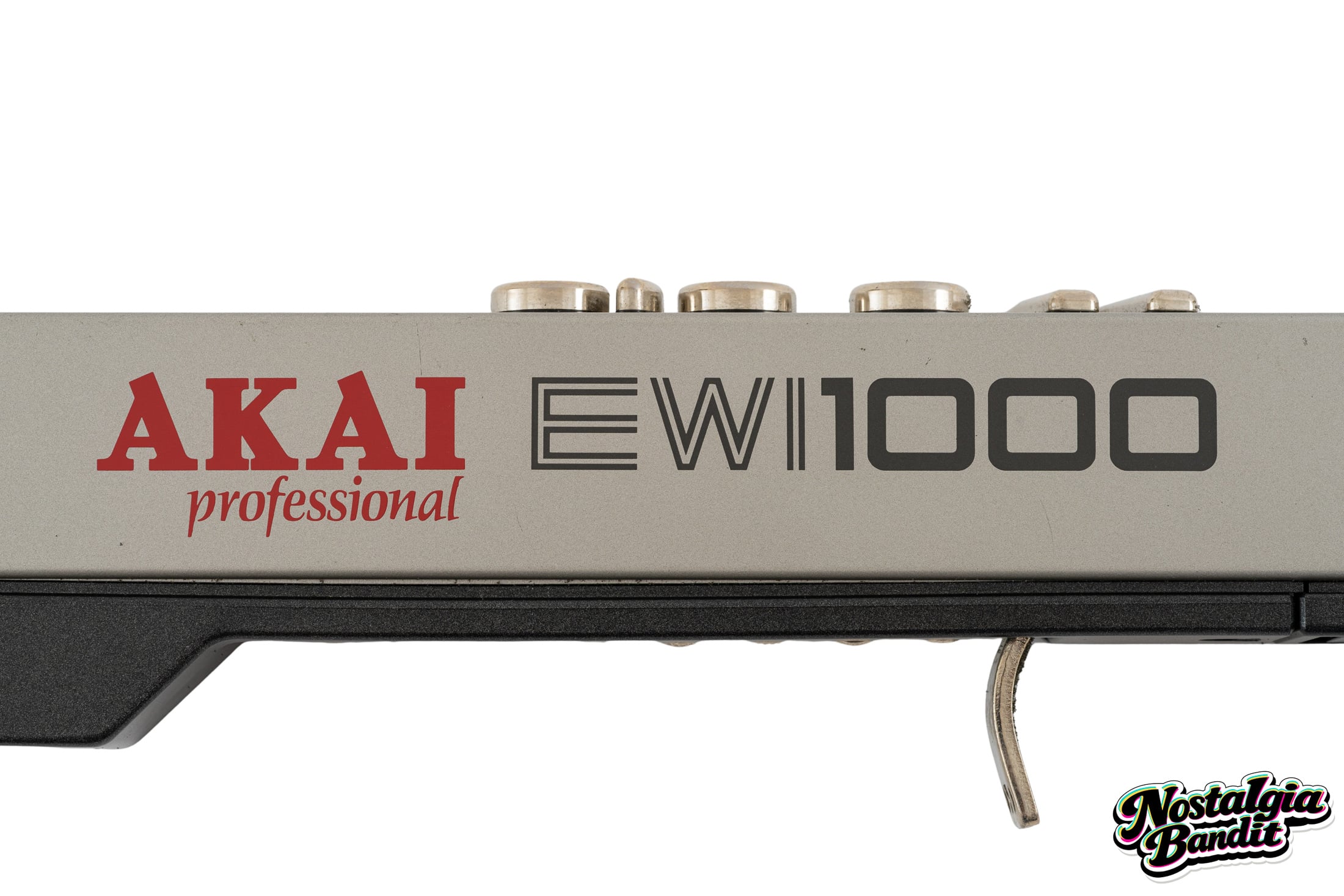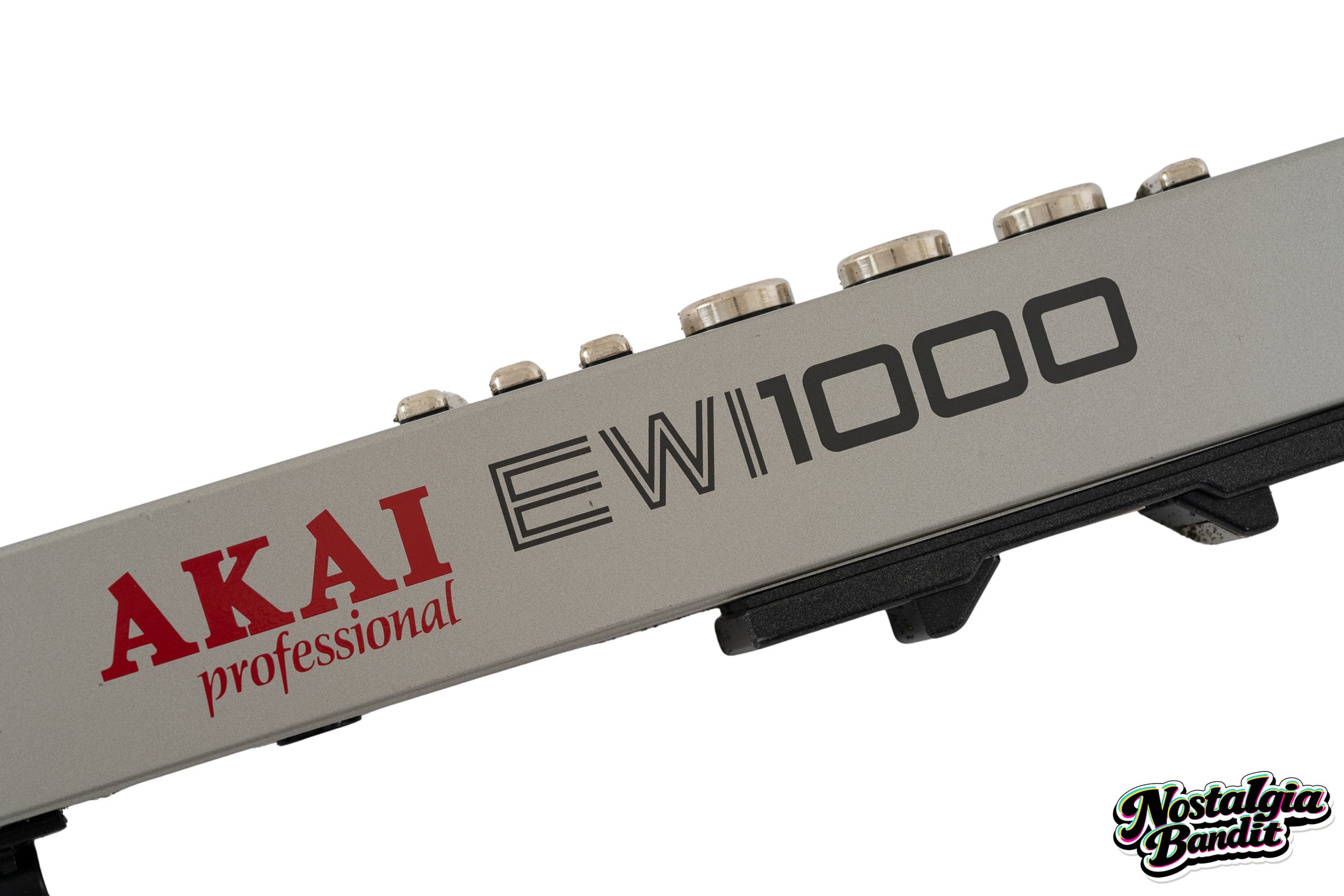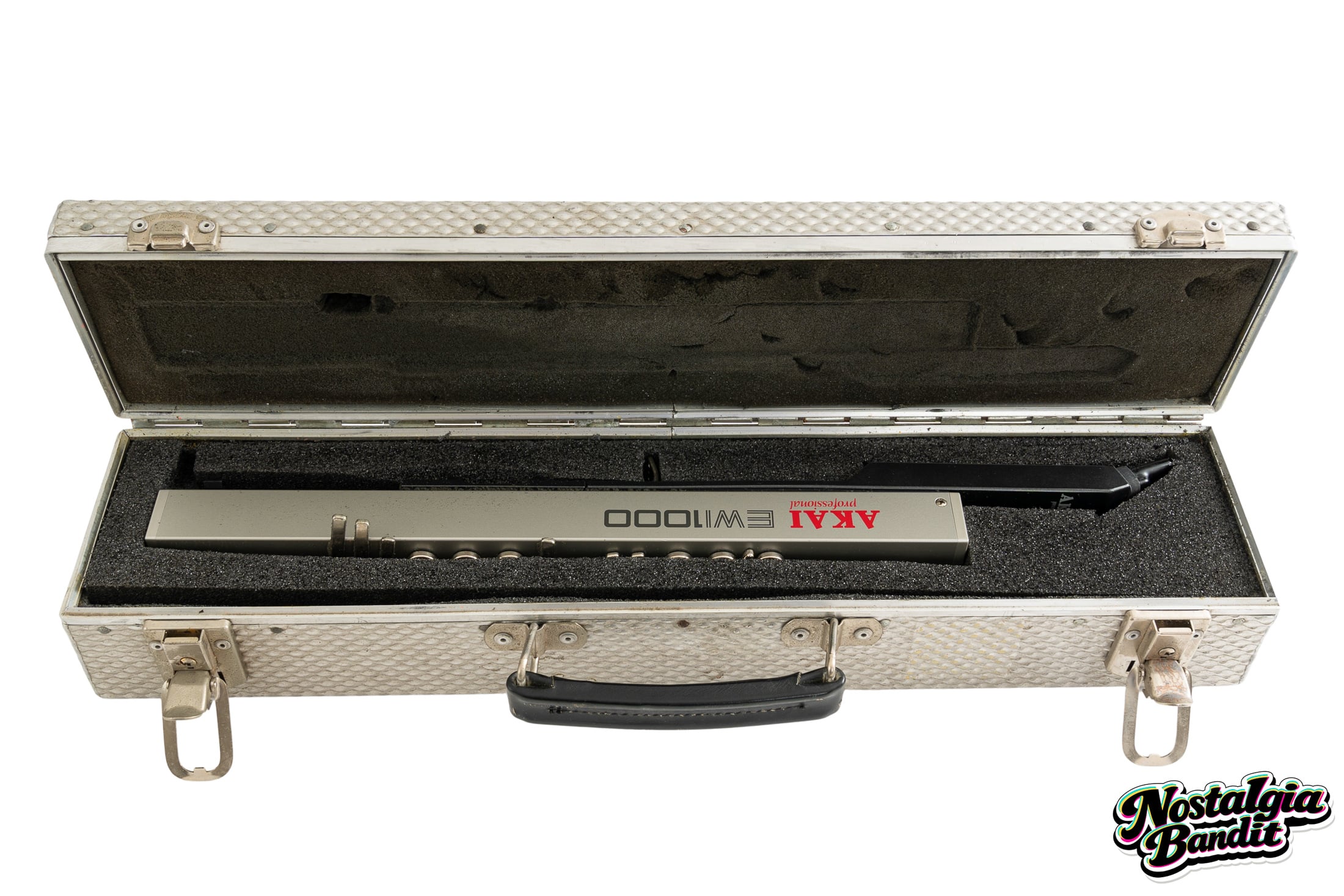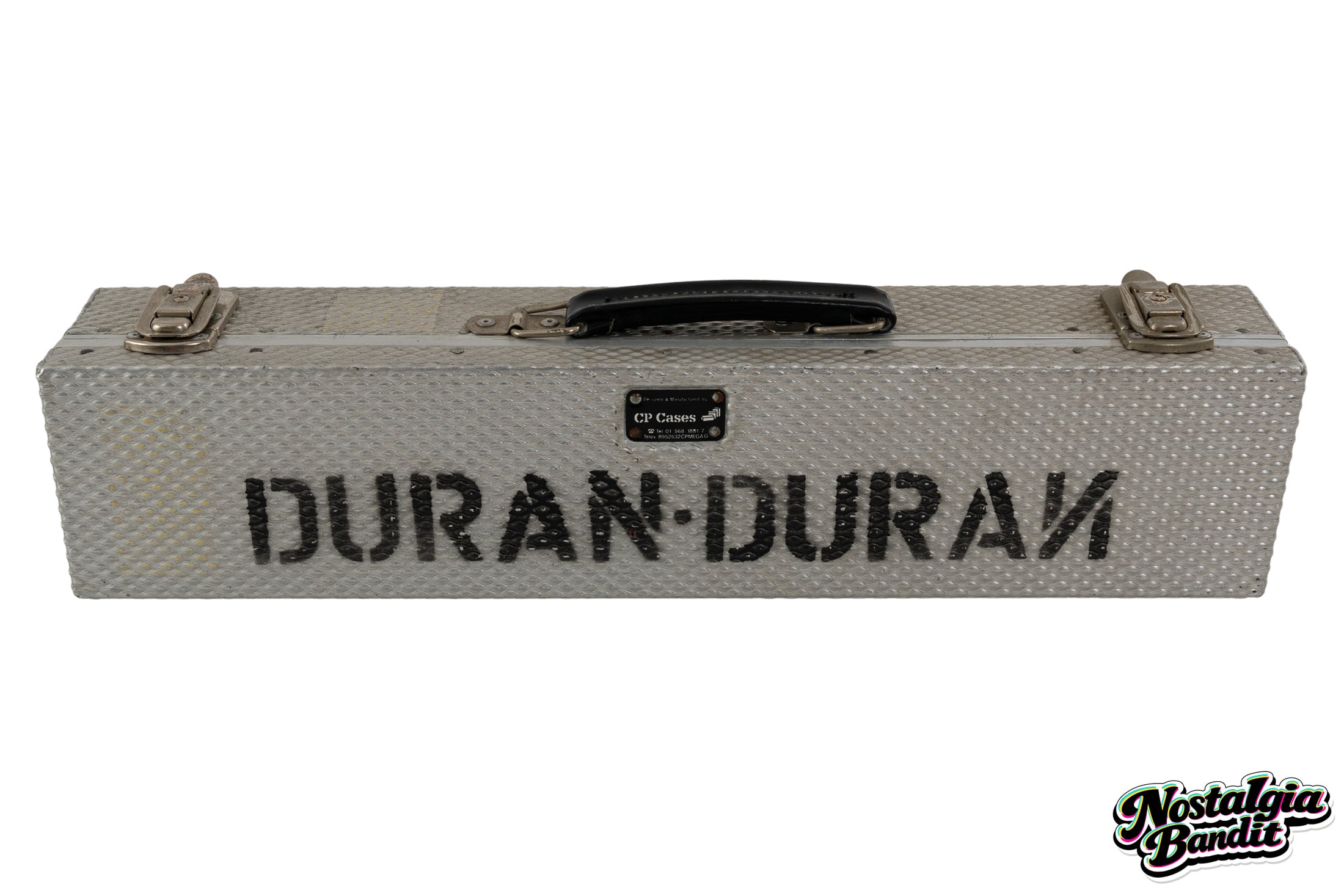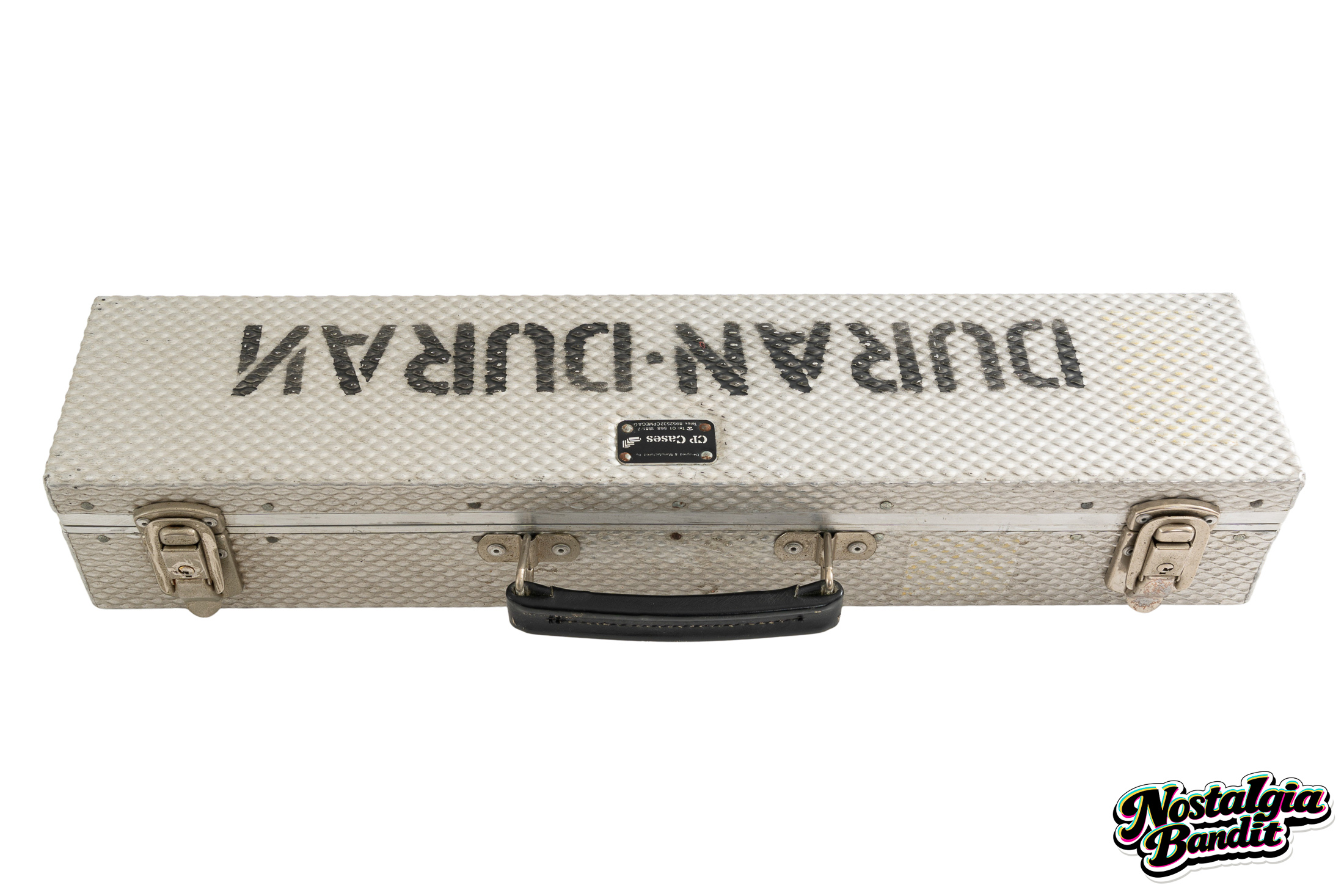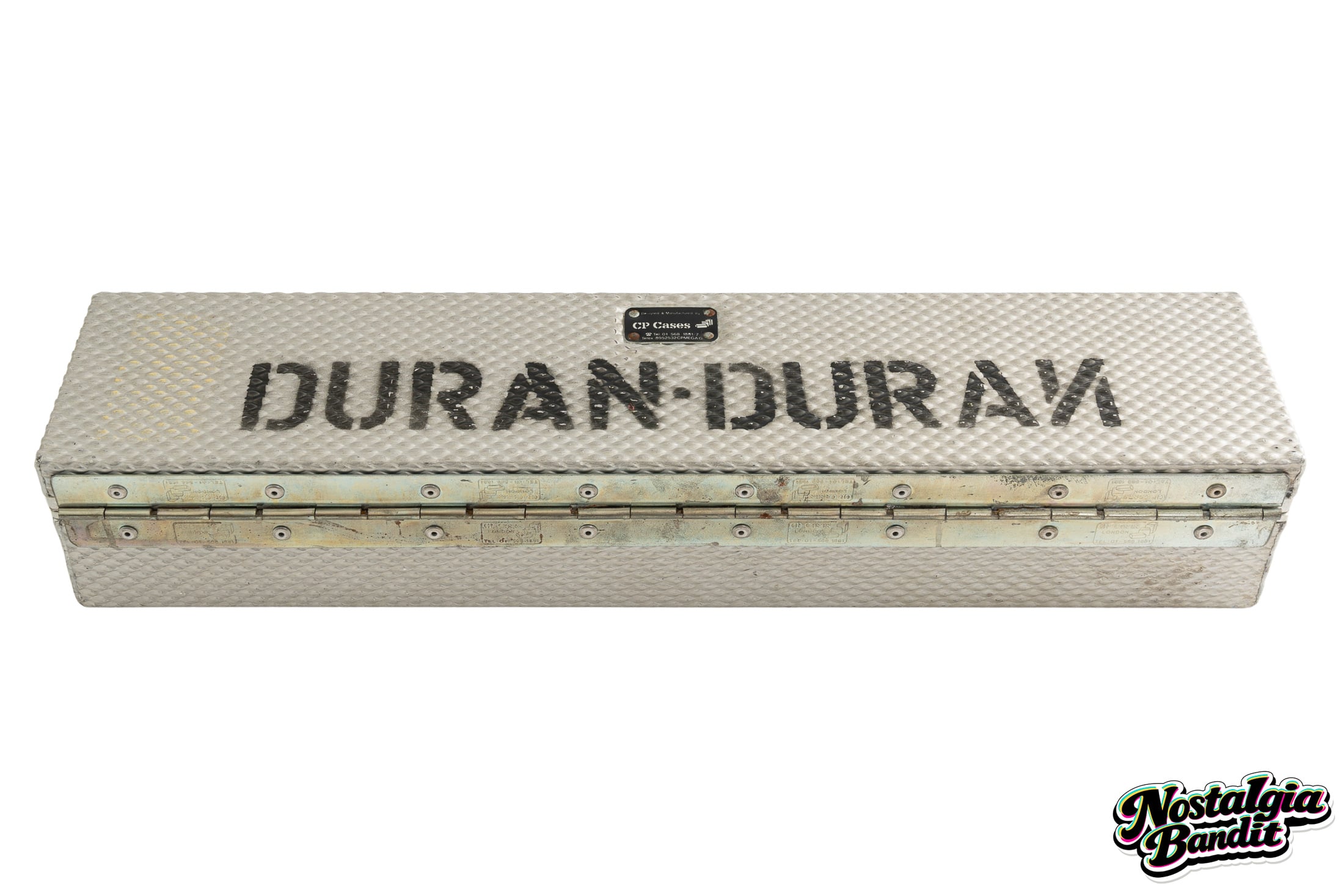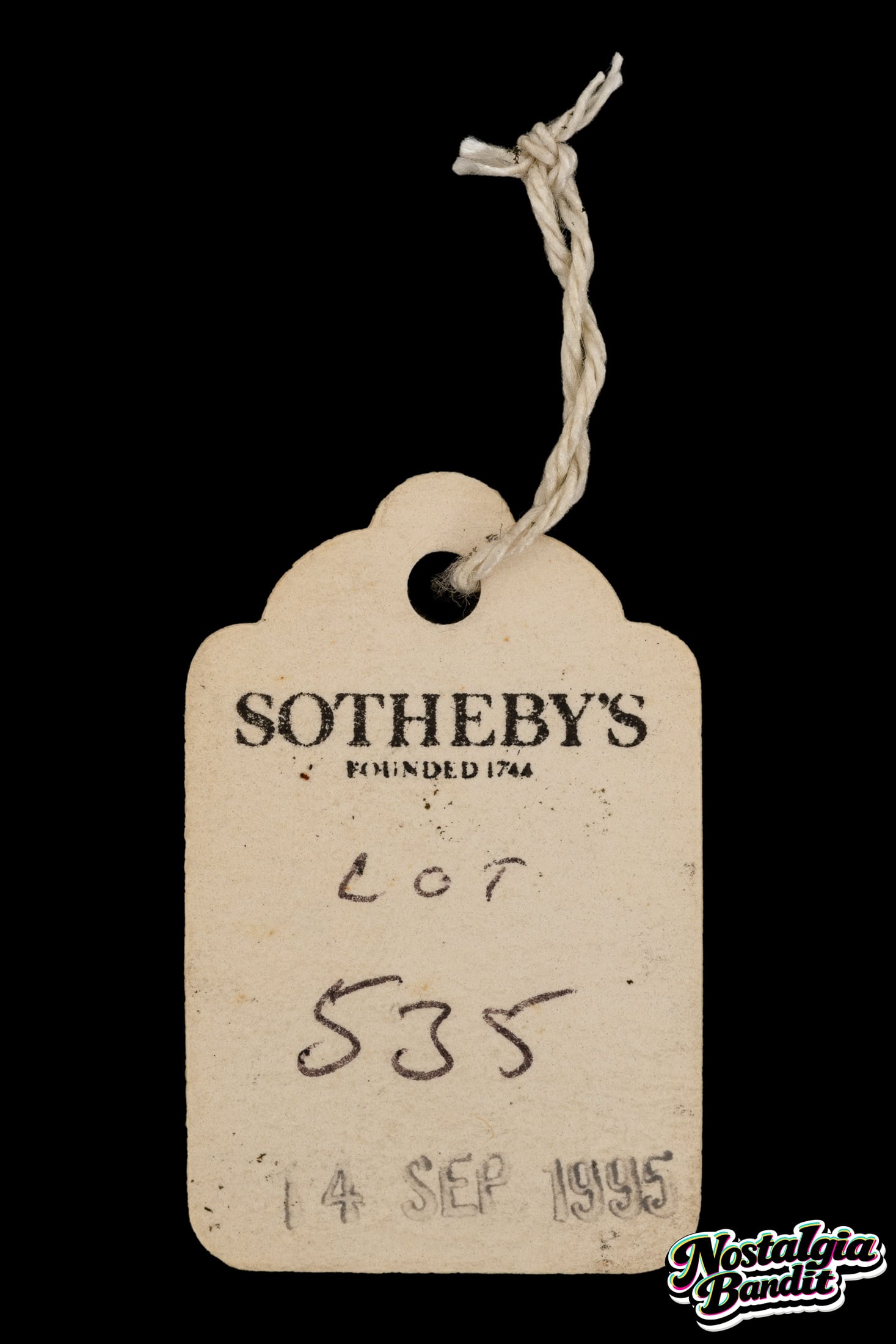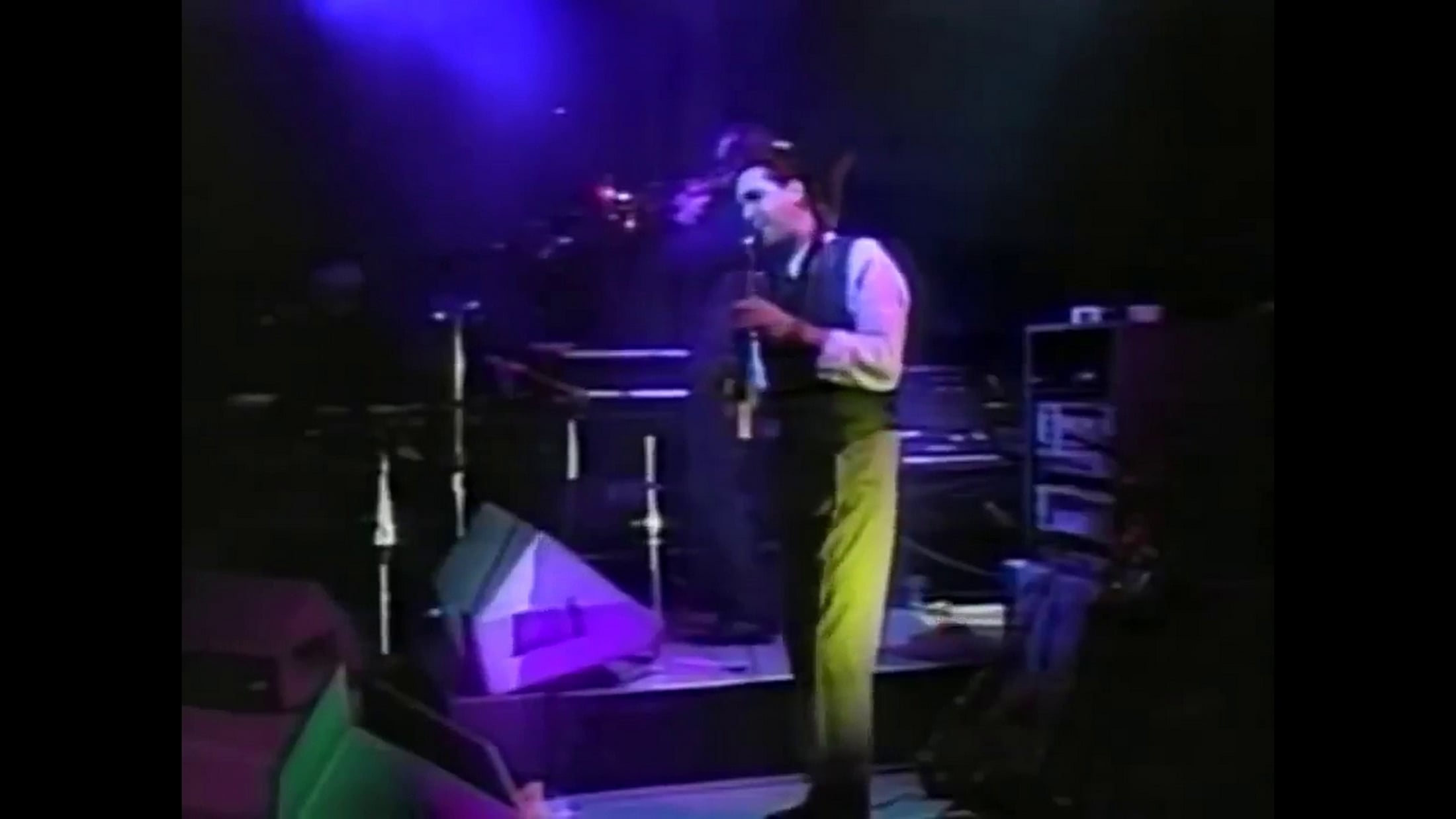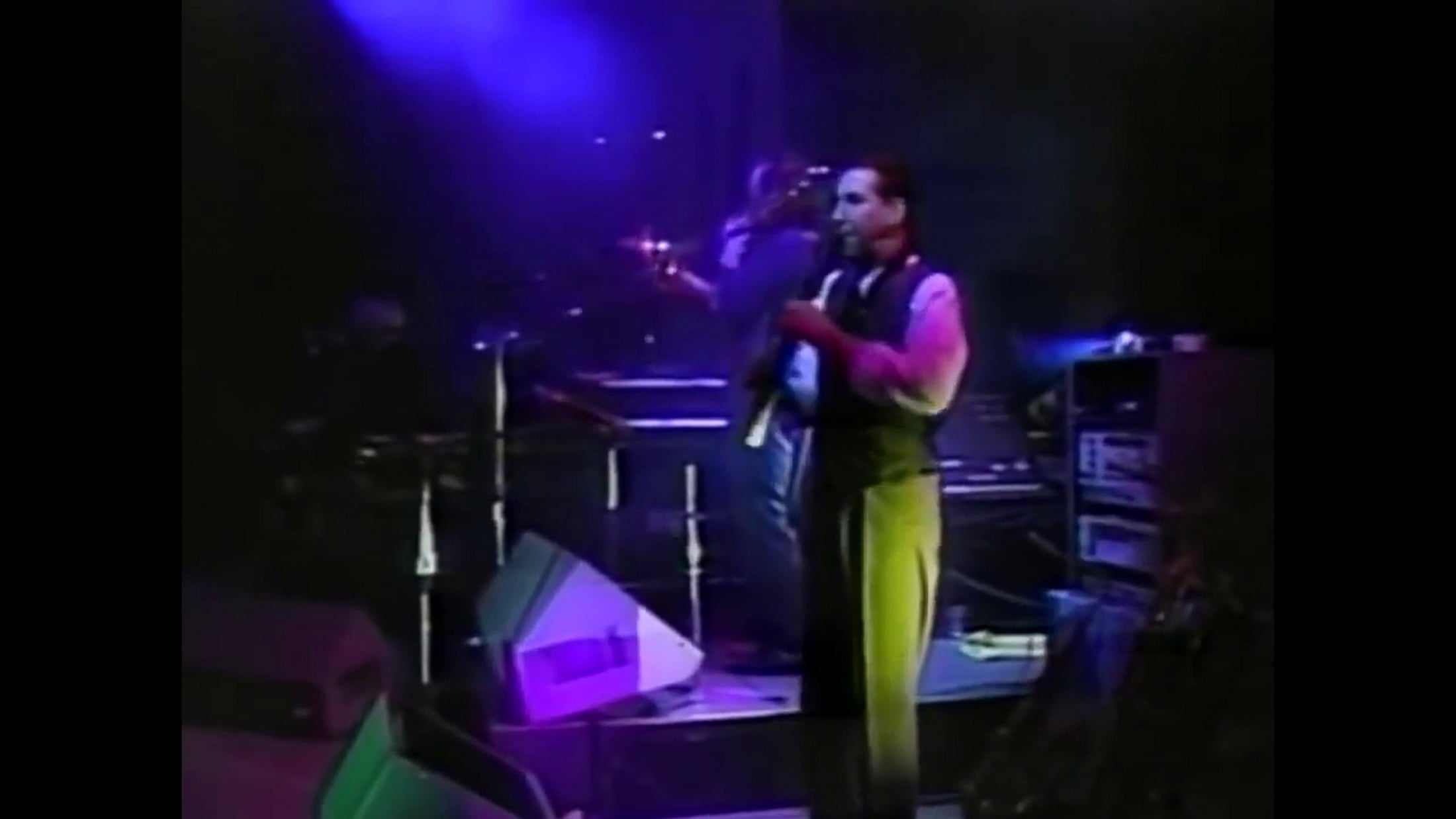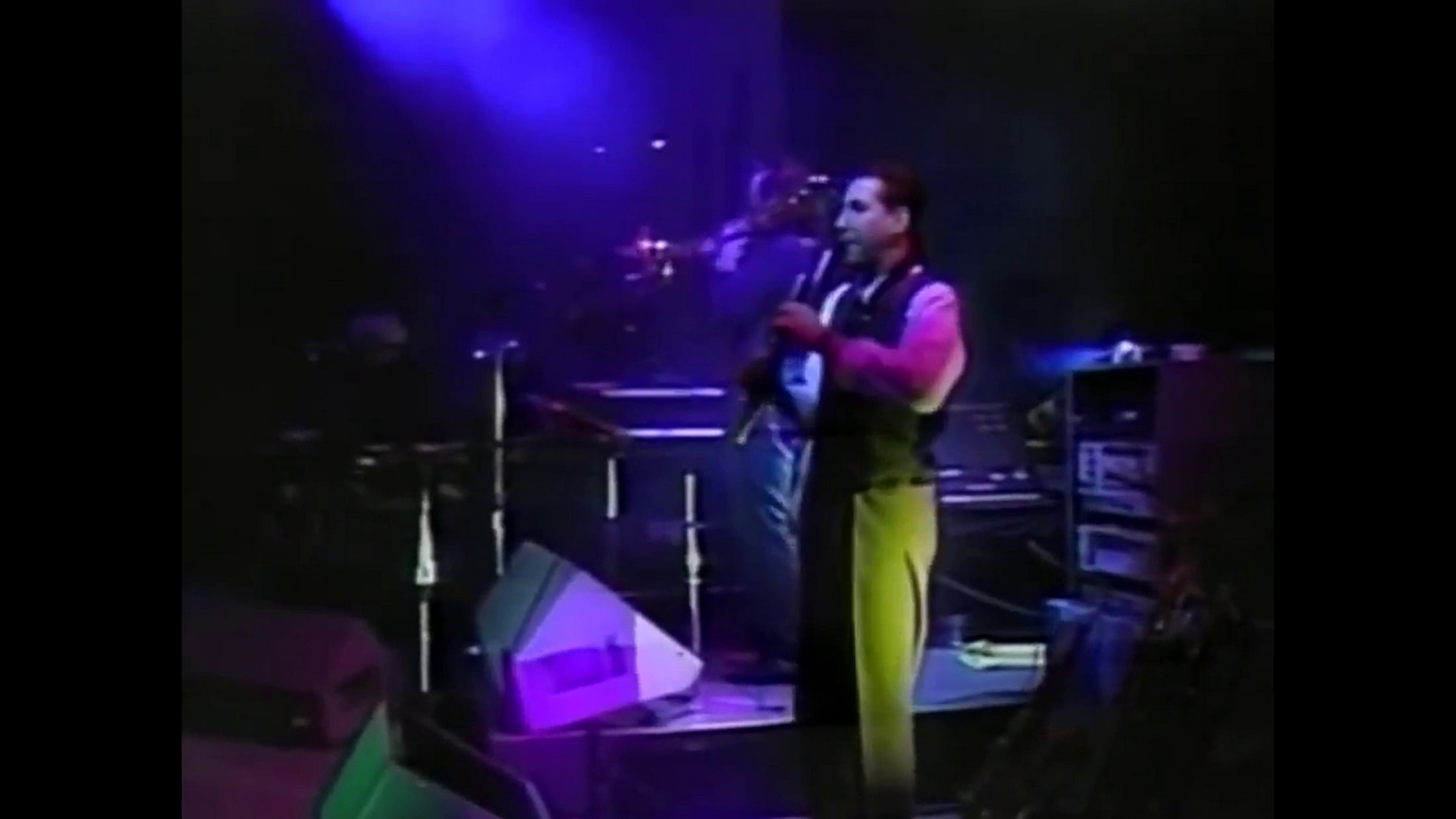
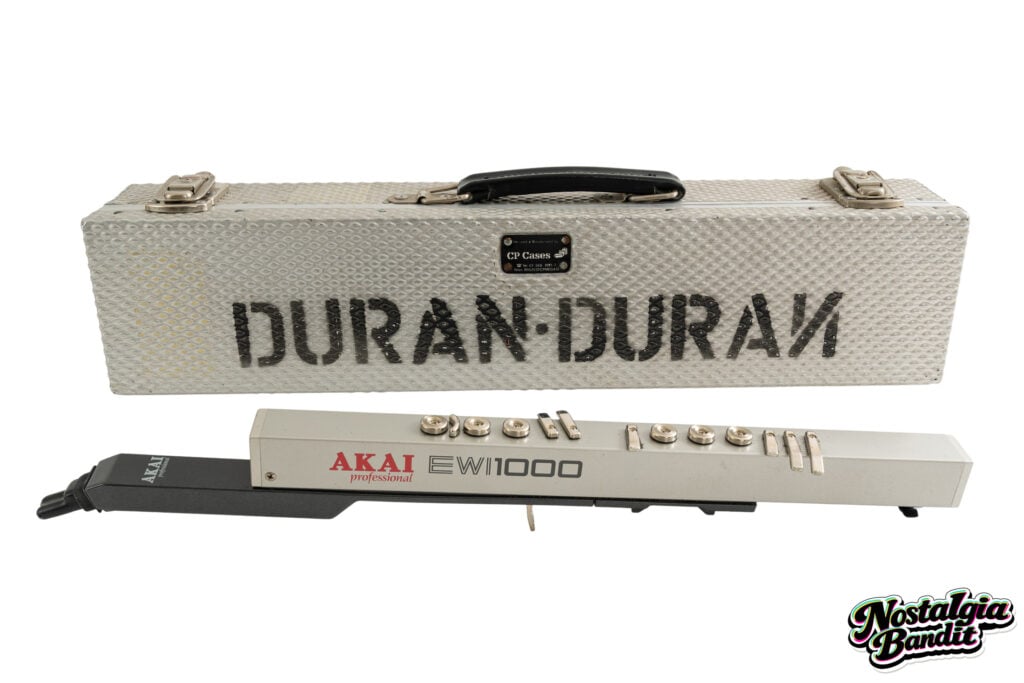
An AKAI Professional EWI1000 electronic wind instrument stage-played by Andy Hamilton — Duran Duran’s longtime touring and session saxophonist — during the band’s Electric Theatre Tour, housed in its original custom CP Cases aluminum tour case stenciled “DURAN·DURAN.” Hamilton’s use of the instrument is documented in a February 22, 1989 Japanese television broadcast of Duran Duran performing “Skin Trade.” The lot retains its original Sotheby’s auction tag from its sale on 14 September 1995 (Lot 535).
Video Documentation
Historical Context
Duran Duran are a British new wave band formed in Birmingham in 1978, comprising Simon Le Bon (vocals), Nick Rhodes (keyboards), John Taylor (bass), Andy Taylor (guitar), and Roger Taylor (drums). By the mid-1980s they were among the most commercially successful acts in the world, their live productions expanding well beyond the core five-piece to incorporate an extensive ensemble of touring musicians.
Andy Hamilton (born 28 March 1953) is a British tenor saxophonist and session musician whose prolific career encompasses some of the most significant pop recordings and tours of the 1980s and 1990s. His association with Duran Duran began in the early 1980s: he contributed saxophone to the band’s breakthrough recordings — including the “Rio” saxophone solo (1982) and the brass section on the 12-inch “Night Version” of “Planet Earth” (1981) — and is credited on the albums Rio (1982), Seven and the Ragged Tiger (1983), and Arena (1984). He toured extensively with the band, including the 1983–84 Sing Blue Silver Tour and the 1987 Strange Behaviour Tour. Beyond Duran Duran, Hamilton’s session and touring work spans Wham!, George Michael, Elton John, Tina Turner, David Bowie, the Boomtown Rats, Dexys Midnight Runners, and Radiohead, among many others.
The AKAI EWI1000, introduced in 1987, was among the first commercially available electronic wind instruments to gain traction in professional pop and rock contexts. It allowed saxophonists and wind players to trigger MIDI synthesizer sounds while retaining the breath control and fingering techniques of traditional wind performance. Hamilton was one of the earliest and most prominent adopters of the EWI in professional pop performance, integrating it into his live setup with Duran Duran during this period. He is listed among notable professional EWI users by Patchman Music — a leading EWI specialist and retailer — alongside players such as Michael Brecker and Kirk Whalum. His use of the EWI extended beyond Duran Duran: he is documented performing saxophone, keyboards, and EWI simultaneously during George Michael’s 25 Live tour (2006–2008), including the opening concert at the newly rebuilt Wembley Stadium.
The AKAI EWI1000 was designed in collaboration with inventor Nyle Steiner, whose hand-built prototypes in the early 1980s established the foundational principles of electronic wind performance. At its 1987 launch, the EWI1000 was priced at approximately £699 in the UK (paired with the companion EWV2000 sound module), placing it firmly in the professional-only tier — a rare and expensive tool found primarily in the rigs of forward-thinking touring musicians. Hamilton’s early adoption places him in the vanguard of wind players who embraced the technology at its introduction.
Stage Use
Hamilton is documented on stage with this EWI during Duran Duran’s February 22, 1989 Japanese broadcast performance of “Skin Trade” — the video linked above. The instrument forms part of the live rig Hamilton operated as Duran Duran’s touring saxophonist during the Electric Theatre Tour, during which the EWI allowed him to expand his sonic palette beyond acoustic saxophone in a live context.
Specifications
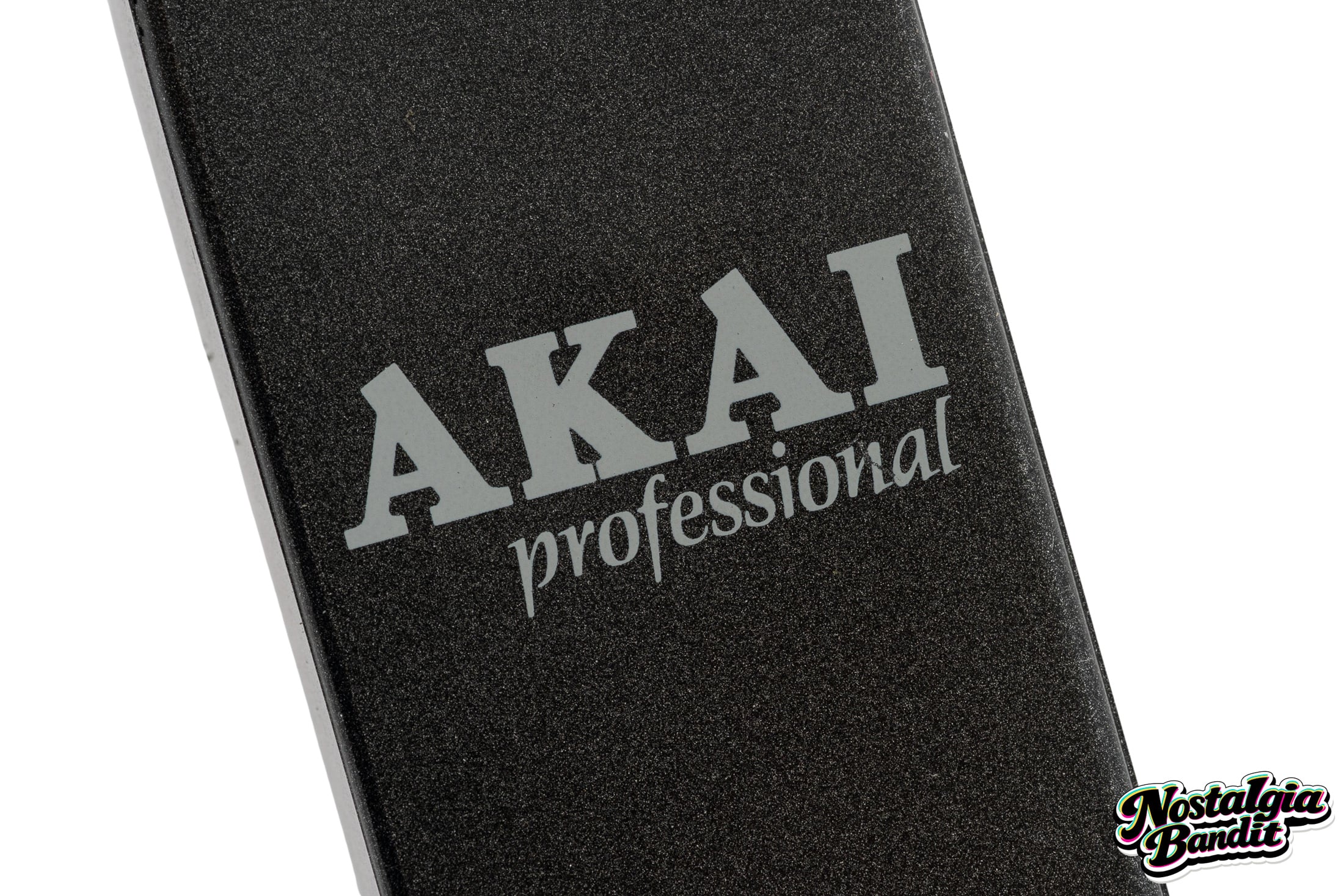
· Manufacturer: AKAI Professional
· Model: EWI1000 (Electronic Wind Instrument) — first generation, introduced 1987
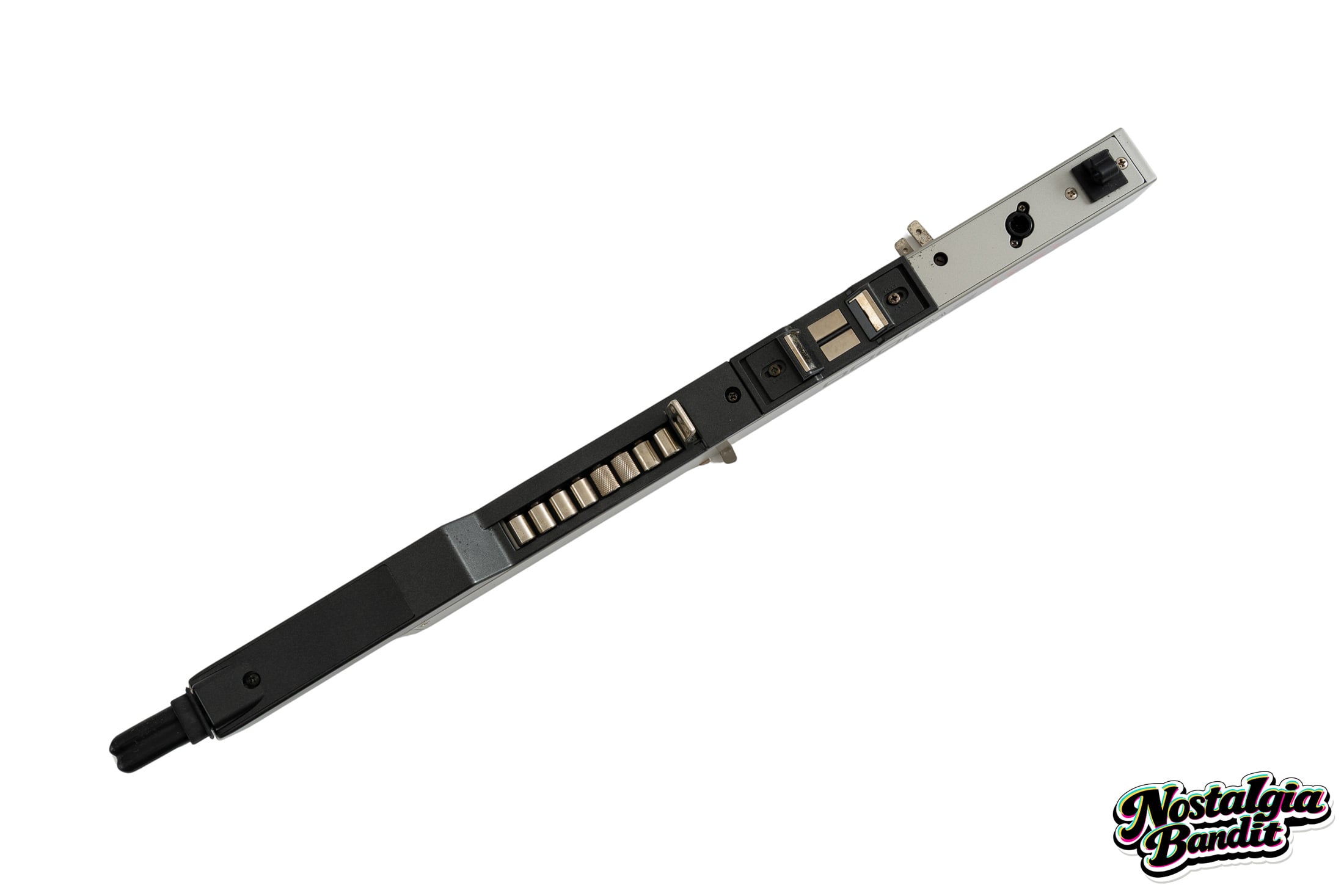
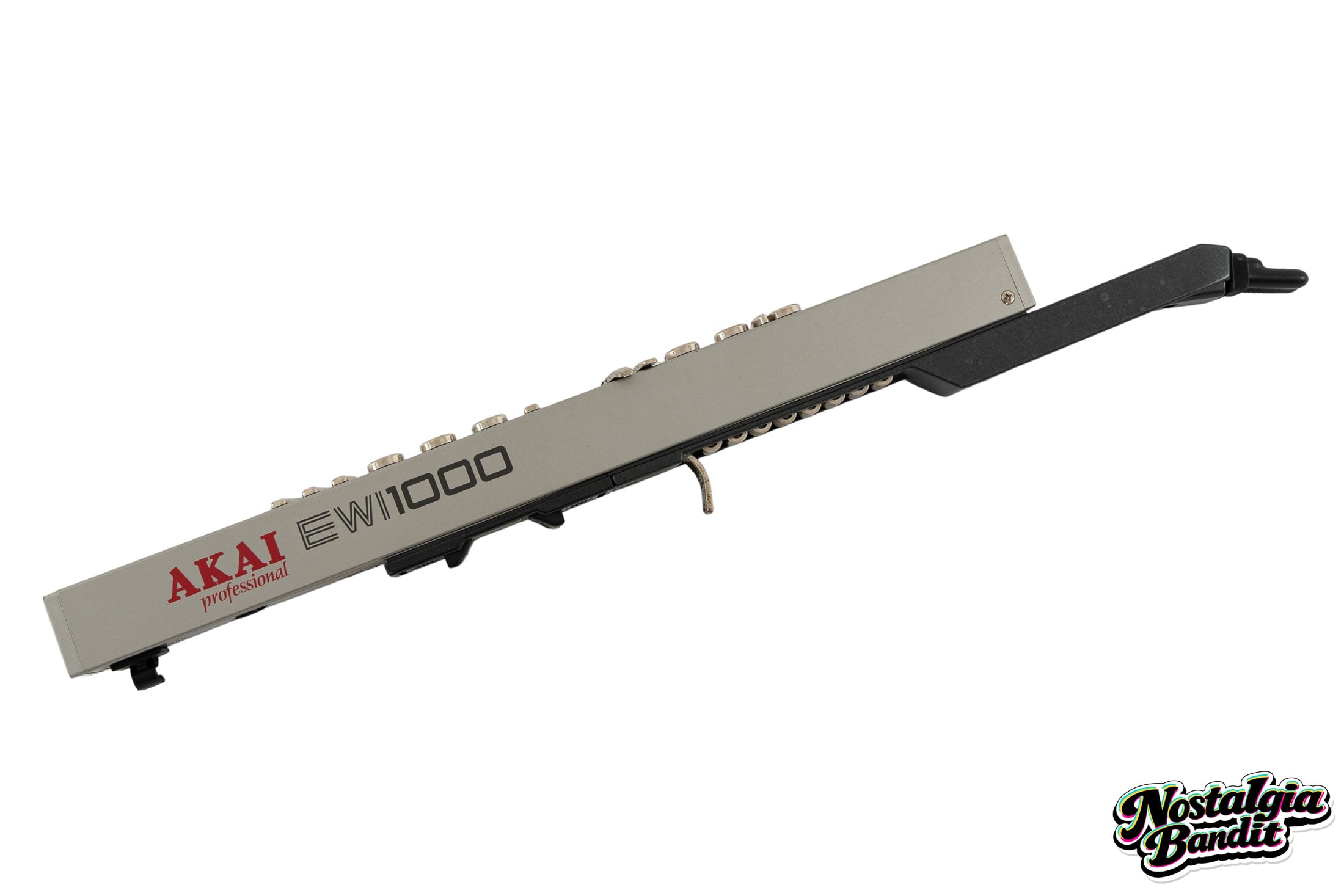
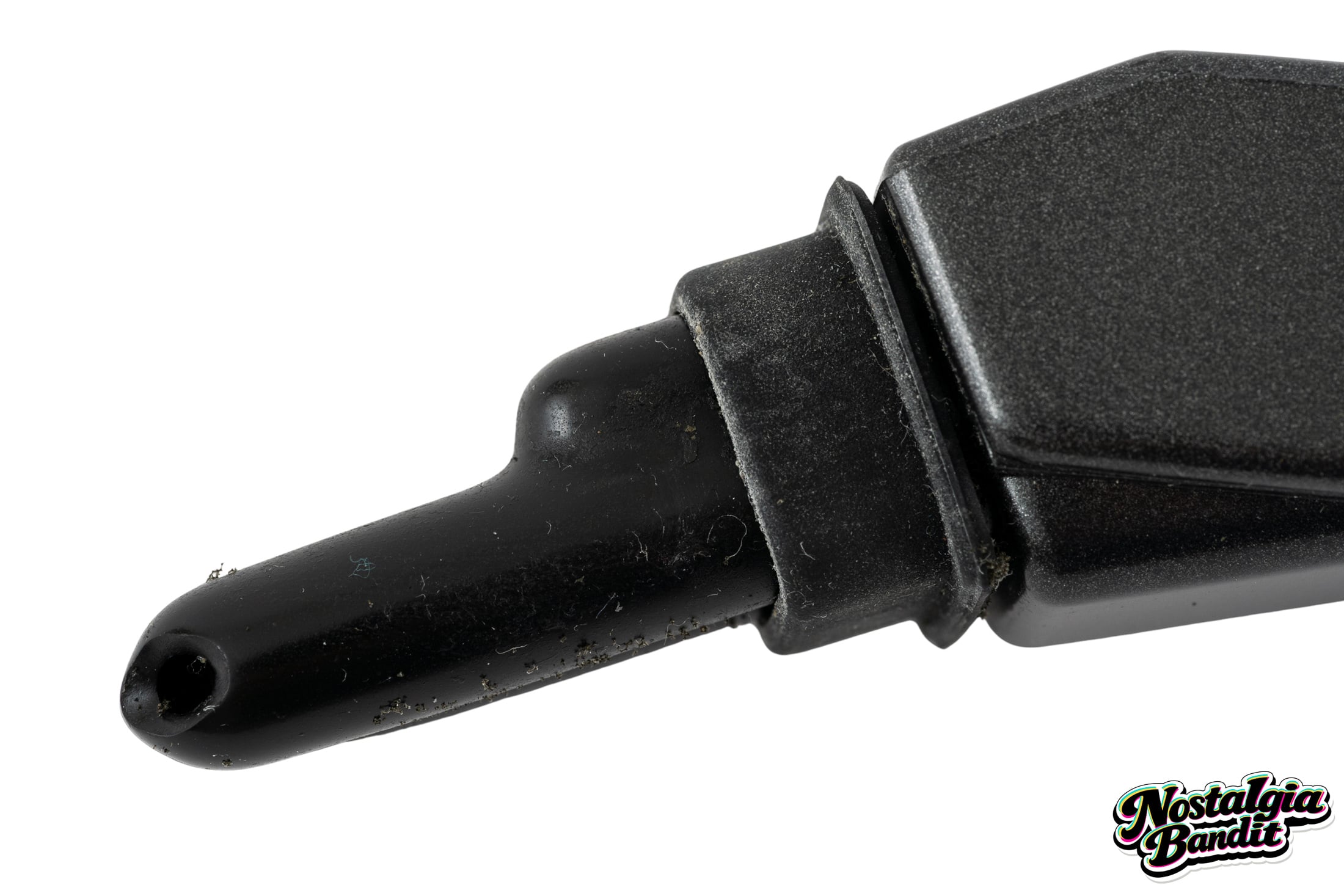
· Body: Sleek silver aluminum tube with black plastic mouthpiece and breath-sensor assembly; lightweight and ergonomic, designed to feel analogous to a soprano saxophone or clarinet
· Mouthpiece: Black breath sensor (dynamics/volume control) with bite sensor for vibrato and expression
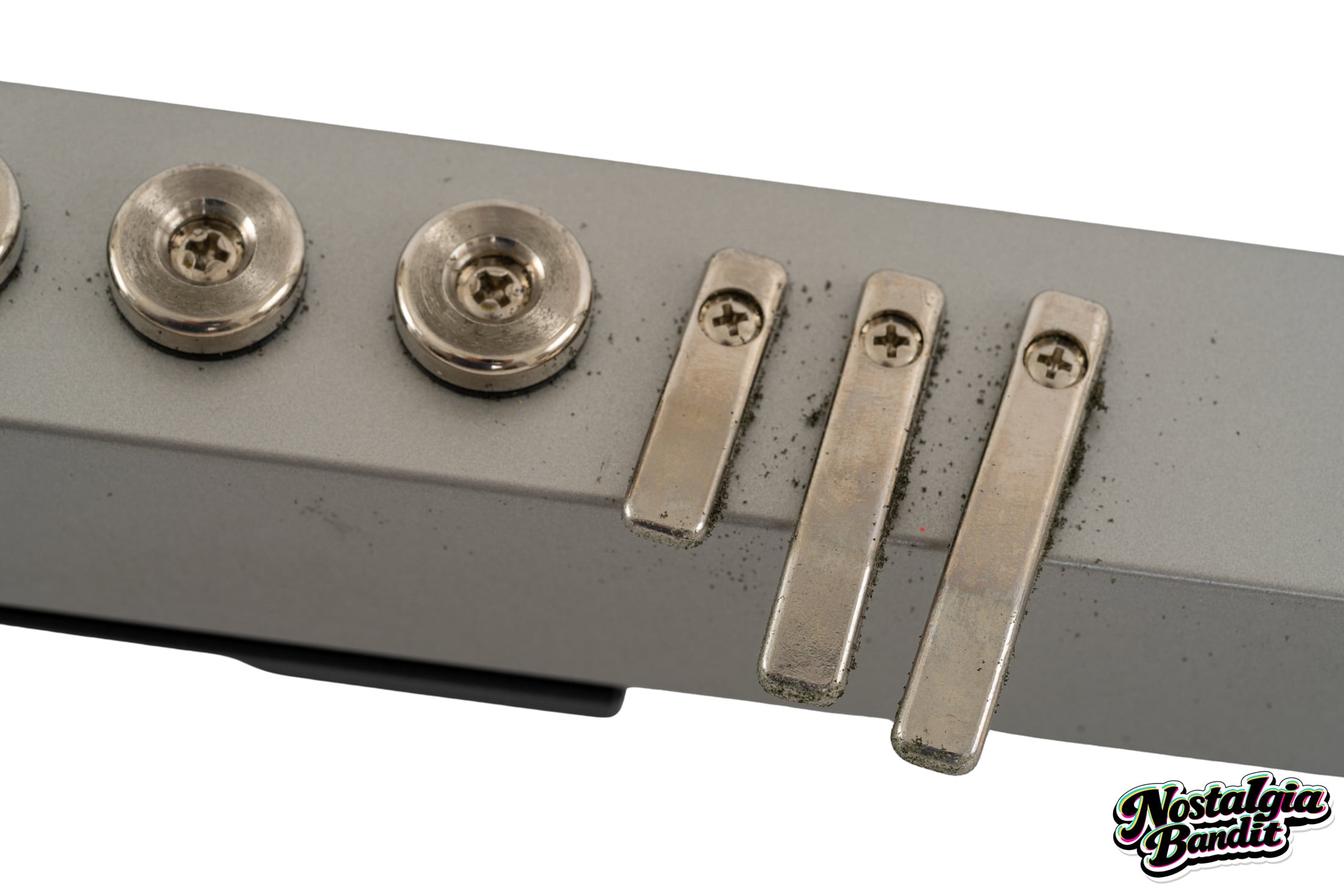
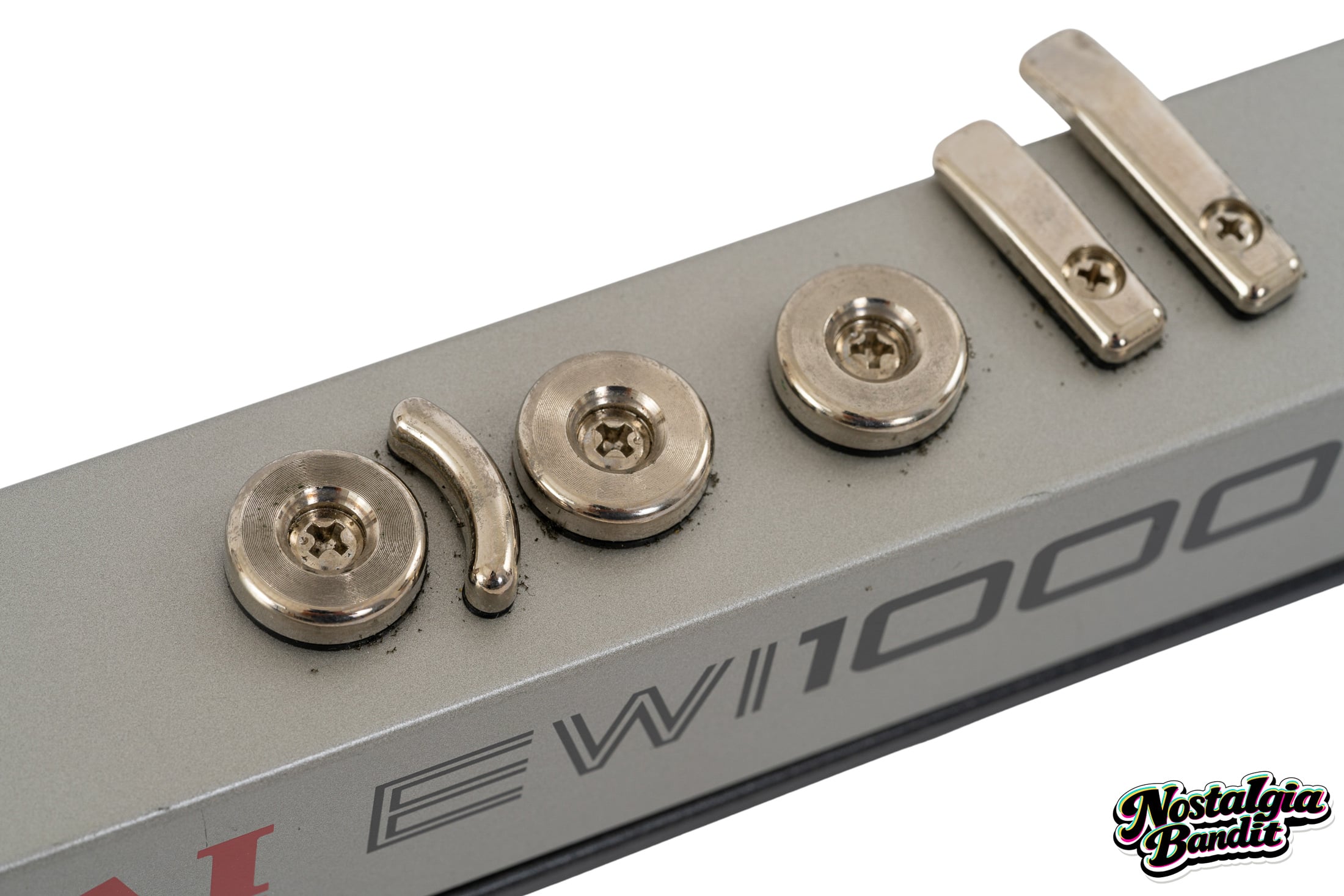
· Fingering: Touch-sensitive capacitive key pads along body (no moving keys — metal plates responding to finger contact, modeled on saxophone fingering)
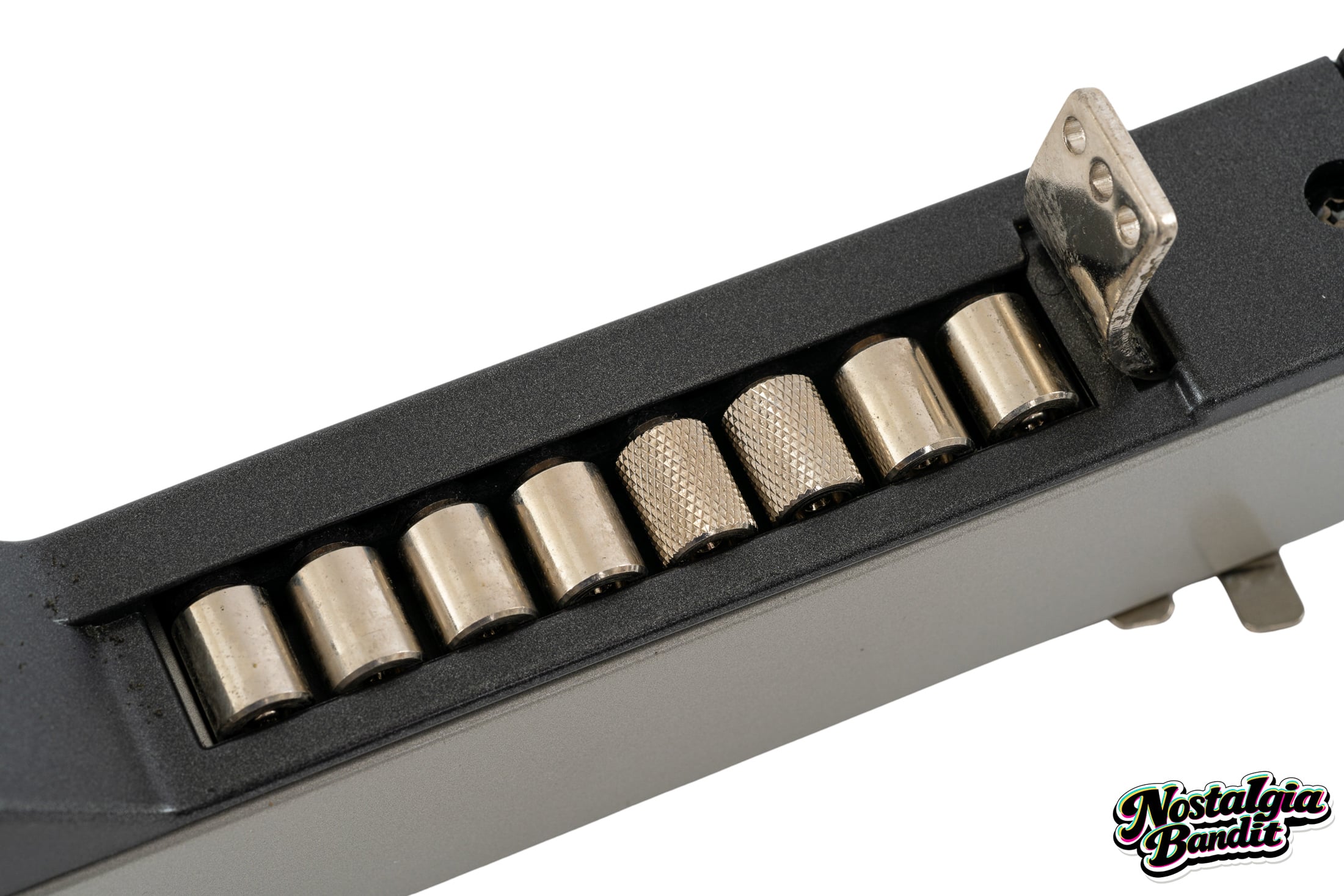
· Octave control: Rollers on reverse for register shifts (left thumb operation)
· Additional controls: Pitch bend, glide, and expression sensors
· Output: Analog control voltages and MIDI — designed to pair with companion AKAI EWV2000 rack sound module (not included), which provided brass, woodwind, flute, and synth voices
· Identification: “AKAI professional EWI1000” branding on body panel
Condition
The instrument exhibits light wear consistent with stage use. The original Sotheby’s auction lot tag (Lot 535, 14 September 1995) remains attached.
Included Items
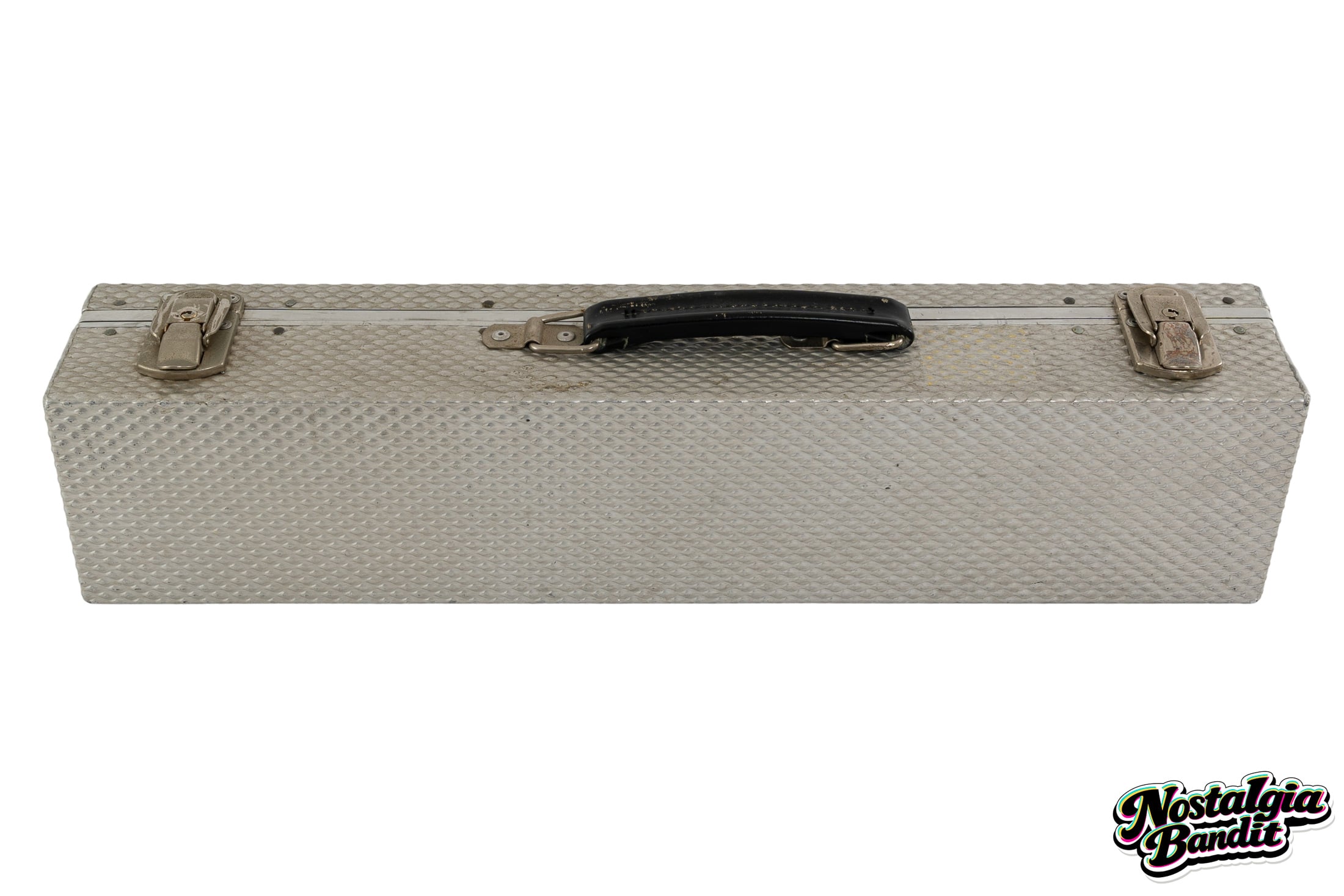
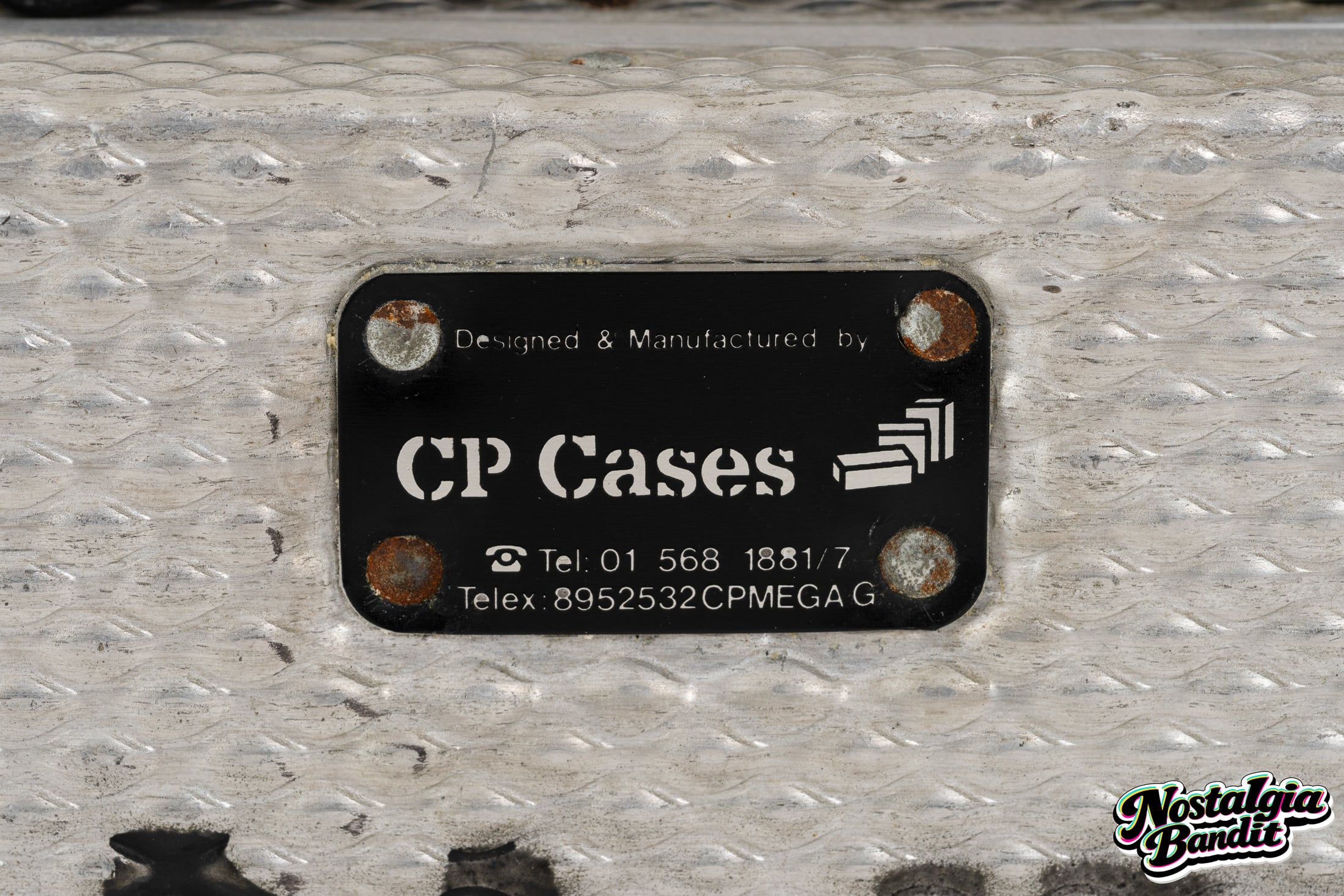
Custom CP Cases (London) aluminum flight case with diamond-plate texture exterior, stenciled “DURAN·DURAN” in black on the lid. The case features a custom foam cutout interior fitted to the EWI1000, two lid latches, two front latches, and a leather carry handle. The CP Cases manufacturer plate, bearing a pre-1990 London “01” prefix telephone number, confirms the case’s manufacture during the instrument’s active touring period.
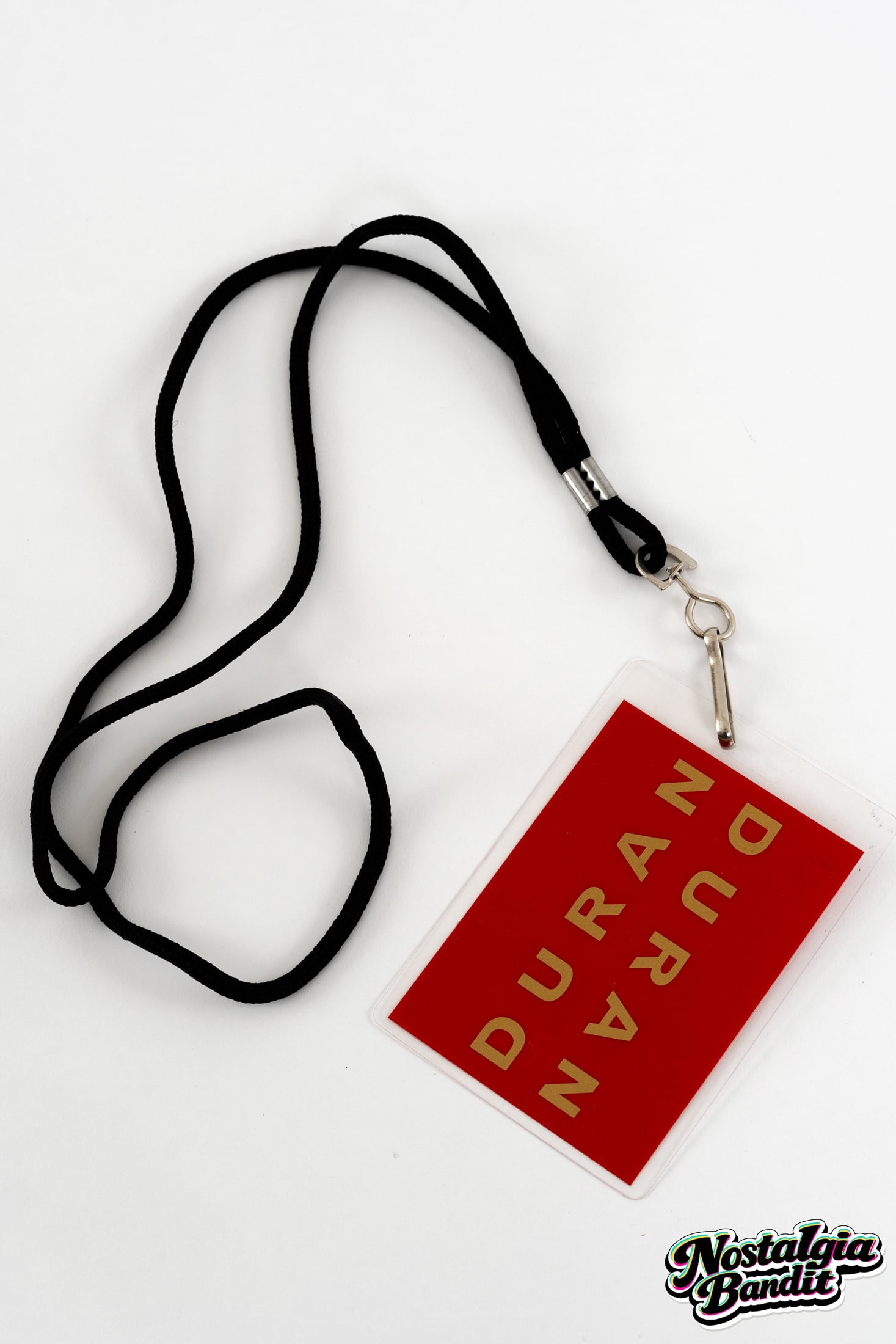
Original VIP tour laminate from the Duran Duran touring period.
Original Sotheby’s auction catalog: Rock ‘N’ Roll and Film Memorabilia, London, September 13 & 14, 1995 — the sale in which this instrument was offered as Lot 535.
Provenance
Originally sold as Lot 535 at Sotheby’s “Rock ‘N’ Roll and Film Memorabilia” auction, London, September 13 & 14, 1995. The original Sotheby’s auction lot tag (Lot 535, 14 September 1995) remains attached to the instrument. The complete catalog description reads: “A DURAN DURAN ELECTRIC FLUTE, the Akai EW1100 instrument in fitted flight case stenciled with band’s name.” The catalog’s characterization of the EWI1000 as an “electric flute” reflects the instrument’s novelty at the time of the auction; the slight model number variation (“EW1100” for “EWI1000”) is a minor transcription inconsistency in the original catalog text. The physical Sotheby’s catalog is included with this lot.
Nostalgia Bandit Letter of Provenance
This lot will be accompanied by a Nostalgia Bandit Letter of Provenance — a document printed on official Nostalgia Bandit letterhead, signed by Nostalgia Bandit’s principal, and affixed with the official Nostalgia Bandit embossed seal. The Letter of Provenance reproduces the complete final auction description for this lot in full, memorializing all provenance documentation, attribution, supporting evidence, and condition details as presented herein. It is designed to travel with the lot through all future ownership transfers as a permanent, platform-independent physical record of the item’s documented history.
Shipping & Measurements
FIRST AND THIRD PARTY SHIPPING OPTIONS AVAILABLE. Contact Nostalgia Bandit for a shipping quote: shipping@nostalgiabandit.com
» Item: 22 x 3 x 1.75″ · 1.52 lbs.
» Case: 24 x 6 x 4.25″ · 5.76 lbs.